

How to Clean Gold Jewelry at Home: The Ultimate Care Guide
There's something satisfying about slipping on a gold ring or fastening a delicate chain and watching it catch the light with that warm, luminous glow. But even the most carefully crafted pieces lose their luster over time. Daily wear introduces oils from your skin, traces of lotions and perfumes, and environmental grime that gradually dulls what should be radiant.
The good news? Learning how to clean gold jewelry at home is simpler than you might expect. With the right techniques and a few household items, you can restore your treasured pieces to their original brilliance without risking damage or paying for professional cleaning every time.
As someone who works with 14K gold every day, I understand both the beauty and the practicality of this metal. This guide walks you through everything from quick cleaning methods to deep restoration techniques, helping you maintain pieces that look stunning for years to come.
Understanding Your Gold: Why 14K is Worth the Care
Before jumping into cleaning techniques, it helps to know what makes 14K gold special and why it responds so well to proper maintenance.
Pure gold, at 24 karats, is too soft for everyday jewelry. That's why jewelers create alloys, mixing gold with other metals to achieve durability without sacrificing beauty. 14K gold contains 58.3% pure gold combined with metals like copper, silver, and zinc, hitting that sweet spot between resilience and warm golden color. For a deeper dive into what makes 14K gold special, see our guide on 14K gold vs gold plated jewelry.
This composition actually works in your favor when it comes to cleaning. Unlike higher karat gold, which scratches more easily, 14K gold handles regular maintenance well. The alloy metals provide strength, while the substantial gold content means your pieces resist tarnish better than lower-karat alternatives.
That said, those alloy metals can react with environmental factors over time. Chlorine from pools, sulfur compounds in the air, and even natural oils from your skin can create a film that dulls your jewelry's shine. Understanding this helps explain why regular cleaning isn't just about looks. It's protective care that extends the life of your investment.
How to Clean Gold Jewelry: The Soap and Water Method
Sometimes the simplest approach works best. The dish soap method remains the gold standard (pun intended) for cleaning 14K gold jewelry at home. This gentle technique removes everyday buildup without any risk of damaging your pieces.
What You Will Need
Gather these items before you start:
- A small bowl
- Mild dish soap (Dawn or similar gentle formula)
- Warm water (not hot)
- A soft-bristled toothbrush (new or set aside for jewelry)
- A lint-free microfiber cloth or soft towel
- A clean, dry surface for drying
Step-by-Step Instructions
Step 1: Prepare Your Cleaning Solution
Fill your bowl with warm water, comfortable to the touch but not hot. Add a few drops of mild dish soap, just enough to create light suds when stirred. Hot water can cause thermal shock to certain gemstones and might affect adhesives in some settings, so keep it comfortably warm.
Step 2: Soak Your Jewelry
Place your gold jewelry in the solution and let it sit for 15 to 20 minutes. This soaking time loosens oils, lotions, and grime that have built up in crevices and along surfaces. For lightly soiled pieces, even 5 to 10 minutes can do the trick.
Step 3: Gently Brush Away Residue
Using your soft-bristled toothbrush, gently work around the entire piece. Pay special attention to areas where dirt tends to hide: behind gemstone settings, in chain links, and along any textured or sculptural details. The key word here is gentle. Let the bristles do the work without applying pressure.
Step 4: Rinse Thoroughly
Hold your jewelry under clean, lukewarm running water to remove all soap residue. If you're cleaning rings or small pieces, consider placing a mesh strainer or clean cloth over the drain as a safety measure.
Step 5: Dry Completely
Pat your jewelry dry with a lint-free cloth, then let it air dry completely before storing. Moisture left in crevices can lead to water spots or, in some cases, encourage tarnish on the alloy metals.
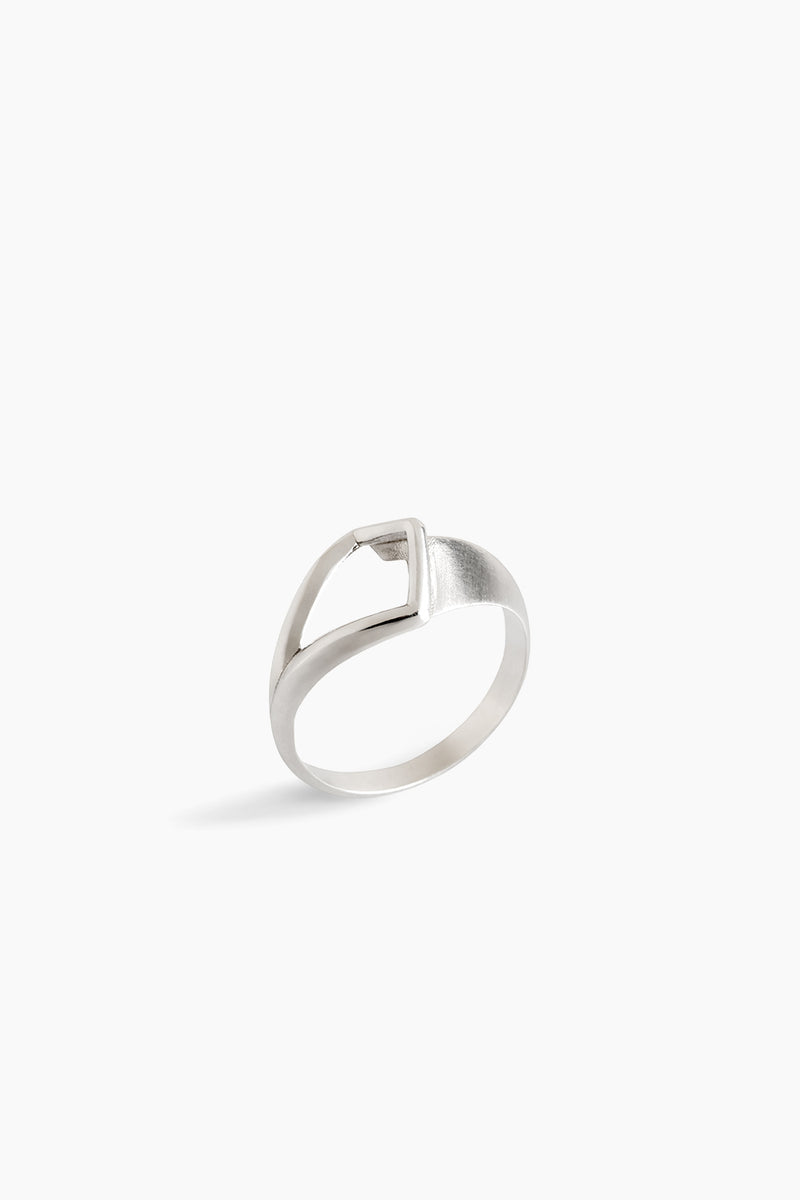
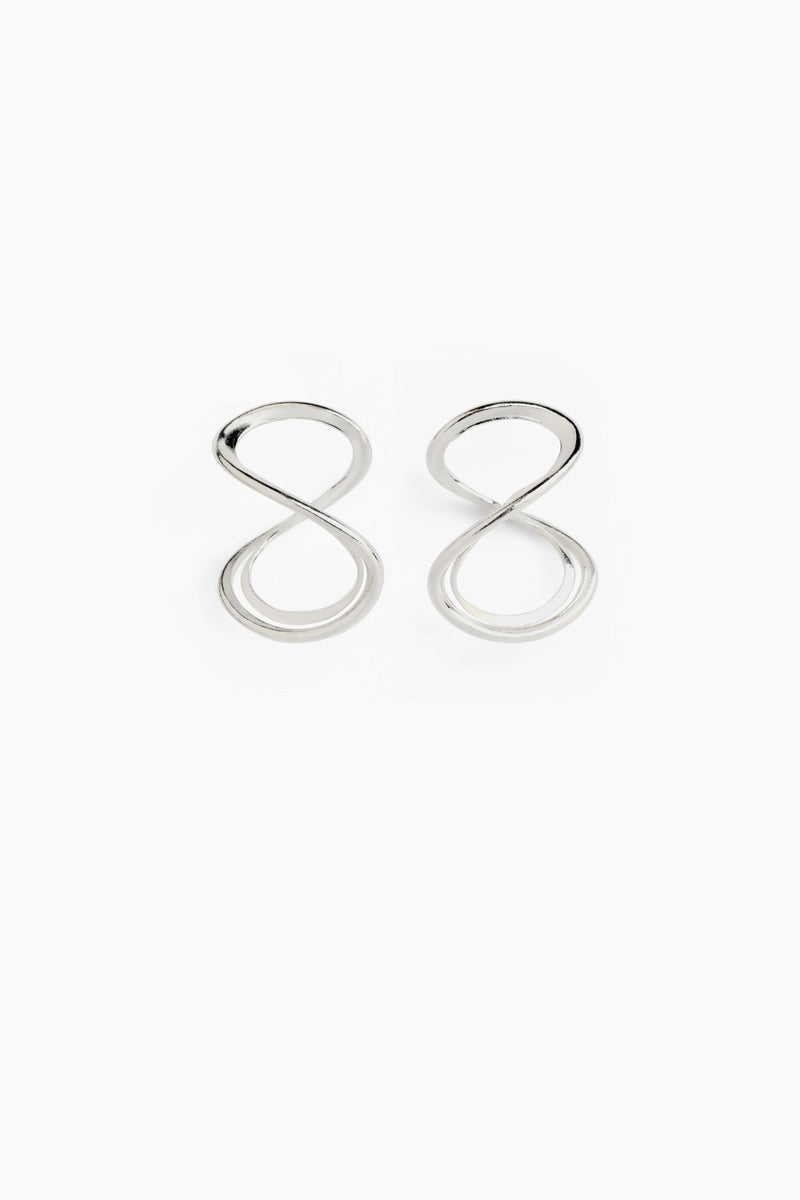
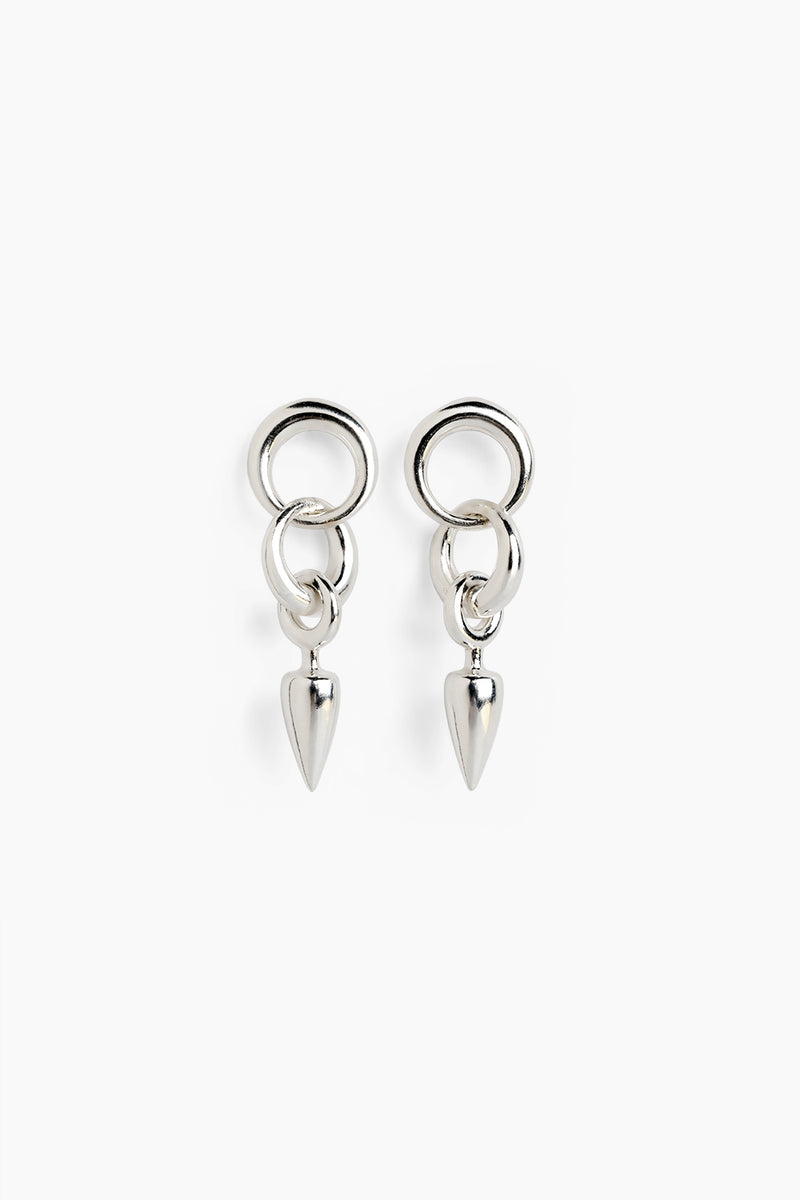
This method is safe for most 14K gold jewelry, including pieces with harder gemstones like diamonds, sapphires, and rubies. It works beautifully for everyday pieces like our Kite ring or Balance earrings.
Cleaning 14K Gold with Gemstones: Special Considerations
Gold jewelry set with gemstones needs a more thoughtful approach. While the gold itself handles standard cleaning methods fine, the stones in your pieces may have specific vulnerabilities that demand extra care.
Safe Stones for Soap and Water Cleaning
Diamonds, rubies, and sapphires are among the hardest gemstones and can be safely cleaned using the basic soap and water method. These stones rank high on the Mohs hardness scale (9-10 for diamonds, 9 for rubies and sapphires) and won't be damaged by gentle brushing or brief soaking.
Stones Requiring Extra Caution
Several gemstones need modified cleaning approaches:
Pearls are organic gems that can absorb water and chemicals. Never soak pearl jewelry. Instead, wipe pearls with a damp, soft cloth and dry immediately. The gold settings can be carefully cleaned around the pearls using a cotton swab with minimal moisture.
Opals contain water within their structure and can crack from temperature changes or prolonged water exposure. Clean opal jewelry with a slightly damp cloth only, avoiding any soaking.
Emeralds are often treated with oils to enhance their clarity. Soaking or harsh cleaning can strip these treatments. Use a damp cloth and very gentle handling.
Turquoise and Coral are porous stones that can absorb liquids and become discolored. Keep these pieces away from water and clean only with a dry, soft brush.
The Seltzer Water Technique for Diamond Jewelry
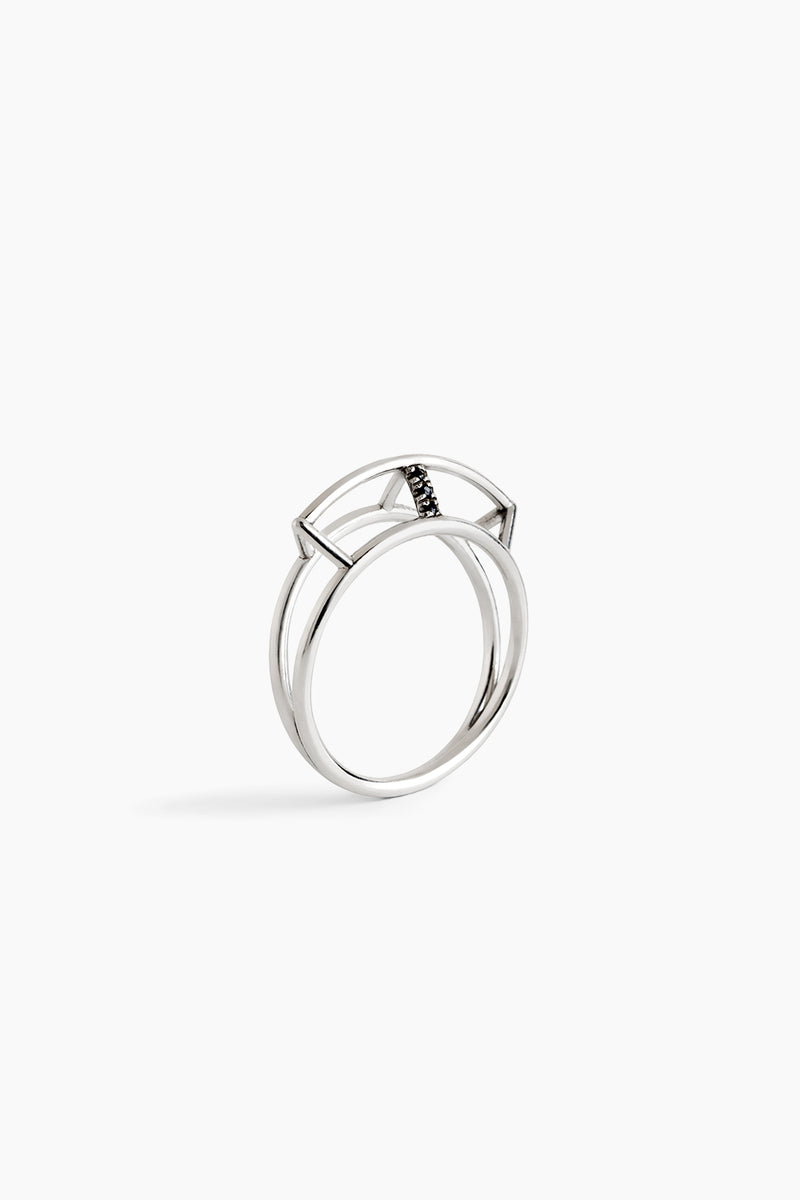
For gold pieces set with diamonds, here's a professional tip: use seltzer water instead of plain water. The gentle carbonation helps loosen debris trapped in settings and along facets, providing a slightly more effective clean without any added risk. Just substitute seltzer for plain water in your soaking solution.
Deep Cleaning Methods for Stubborn Buildup
Sometimes everyday cleaning isn't enough. If your gold jewelry has been neglected for a while or has developed noticeable buildup, these deeper cleaning methods can help restore its original beauty.
The Baking Soda Paste Method
Baking soda provides gentle abrasive action that can remove stubborn grime without scratching solid gold. This method works well for pieces without gemstones or with only hard stones like diamonds.
To create the paste:
- Mix one tablespoon of baking soda with just enough warm water to form a thick paste
- Apply the paste to your jewelry using a soft cloth or your fingers
- Gently rub in circular motions, paying attention to areas with visible buildup
- Rinse thoroughly under lukewarm water
- Dry completely with a lint-free cloth
Important caution: Don't use this method on gold-plated jewelry or pieces with porous gemstones. The gentle abrasion that benefits solid gold can damage plating or scratch softer stones. If you own silver pieces alongside your gold, our guide on preventing sterling silver tarnish covers care techniques for those.
The Ammonia Solution (For Heavily Soiled Pieces)
For gold jewelry that has developed significant tarnish or stubborn residue, a diluted ammonia solution can provide deeper cleaning. Use this method sparingly, since frequent ammonia exposure isn't recommended.
To use:
- Mix one part clear ammonia with six parts warm water
- Soak your jewelry for no more than one minute
- Remove and brush gently with a soft toothbrush
- Rinse immediately and thoroughly under clean water
- Dry completely
Never use ammonia on pearls, opals, or any porous or treated gemstones. Save this method for occasional deep cleaning of solid gold pieces only.
What to Avoid: Common Cleaning Mistakes
Knowing what not to do matters just as much as knowing the right techniques. These common mistakes can damage your gold jewelry:
Harsh Abrasives
Toothpaste, powdered cleansers, and stiff brushes might seem like effective cleaning agents, but they can scratch gold surfaces. Even 14K gold, with its enhanced durability, can develop fine scratches from abrasive materials that dull its finish over time.
Chlorine and Bleach
Chlorine attacks the alloy metals in gold jewelry, causing discoloration and potentially weakening the structure over time. Always remove gold jewelry before swimming in chlorinated pools or using bleach-based cleaning products.
Extreme Temperatures
Very hot water can cause thermal shock to gemstones and may affect any adhesives used in settings. Sudden temperature changes are particularly risky for stones like opals and emeralds. Always use lukewarm water for cleaning.
Ultrasonic Cleaners for Delicate Pieces
While ultrasonic cleaners can work well for solid gold and diamond jewelry, they pose risks for many gemstones. The vibrations can loosen prong settings and damage porous or treated stones. If you own an ultrasonic cleaner, use it only for appropriate pieces and never for jewelry with pearls, opals, emeralds, or glued settings.
Over-Cleaning
More isn't always better. Excessive cleaning can speed up wear on your jewelry. For pieces worn regularly, monthly gentle cleaning is enough. For special occasion jewelry, clean before and after wearing.
Creating Your Gold Jewelry Maintenance Routine
Consistency is the secret to jewelry that looks beautiful year after year. Rather than occasional deep cleans, establish a simple routine that keeps your pieces looking their best with minimal effort.
Daily Habits
Small changes to your daily routine can significantly reduce how often your jewelry needs cleaning:
-
Apply products first, jewelry last. Put on lotions, perfumes, and hairspray before putting on your jewelry. This minimizes residue buildup.
-
Remove jewelry for specific activities. Take off your gold jewelry before showering, swimming, exercising, or doing housework. Soap residue, chlorine, sweat, and cleaning chemicals all affect gold's appearance.
-
Wipe down after wearing. A quick buff with a soft cloth after removing your jewelry removes oils and prevents buildup from setting in.
Weekly Quick Clean
Once a week, give your most frequently worn pieces a quick refresh:
- Dampen a soft cloth with plain water
- Gently wipe down each piece
- Buff dry with a clean section of the cloth
This takes just minutes and prevents the gradual dulling that makes deep cleaning necessary.
Monthly Maintenance
Once a month, perform the full soap and water cleaning described earlier. This is enough for pieces worn several times a week and keeps them looking freshly polished.
Quarterly Professional Inspection
Every three to six months, consider having your most valuable or frequently worn pieces inspected by a professional jeweler. They can check prong settings, identify wear patterns, and handle any necessary maintenance before small issues become problems.
Proper Storage: Preventing Future Tarnish
How you store your gold jewelry matters as much as how you clean it. Proper storage protects your pieces between wearings and slows down the residue buildup that makes cleaning necessary.
Individual Storage
Store each piece separately to prevent scratching. Gold can scratch gold, and chains can tangle or kink when stored together. Individual soft pouches or a jewelry box with divided compartments work well.
Control the Environment
Gold jewelry stores best in:
-
Low humidity environments. Aim for 40-50% relative humidity when possible. Silica gel packets in your jewelry box can help absorb excess moisture.
-
Consistent temperatures. Avoid storing jewelry in attics, basements, or near heating vents where temperature fluctuates a lot.
-
Away from direct sunlight. UV exposure can affect some gemstones and may speed up tarnishing of alloy metals.
Anti-Tarnish Products
Consider adding anti-tarnish strips to your jewelry storage. These strips absorb sulfur and other gases that cause tarnish, keeping your jewelry brighter longer. Replace them every 6 to 12 months, or when they start to change color.
Travel Considerations
When traveling, use a dedicated jewelry roll or case with individual compartments. Avoid tossing jewelry loose in a bag where it can get scratched, tangled, or lost.
When to Seek Professional Cleaning
While home cleaning handles routine maintenance beautifully, certain situations call for professional attention:
Signs You Need a Professional
- Persistent dullness that doesn't respond to home cleaning methods
- Visible scratches or wear that affects the piece's appearance
- Loose stones or prongs that no longer hold gems securely
- Structural concerns like bent settings or weakened chains
- Antique or heirloom pieces that need specialized care
- Heavy tarnish on the alloy metals that affects the gold's color
What Professional Cleaning Includes
Professional jewelers offer services beyond what's possible at home:
- Ultrasonic cleaning with commercial-grade equipment and solutions
- Steam cleaning for thorough removal of deeply embedded grime
- Polishing to remove fine scratches and restore luster
- Rhodium plating refresh for white gold pieces
- Prong tightening and setting inspection
- Structural repairs for any damage identified during cleaning
How Often?
Even with excellent home care, plan on professional cleaning once a year for pieces worn regularly, or every two years for special occasion jewelry. This maintains your jewelry's structural integrity and catches potential problems early.
Caring for Different Gold Colors
While the basic cleaning methods work for all gold colors, understanding the differences between yellow, white, and rose gold helps you provide the best care.
Yellow Gold
Traditional yellow gold is the most straightforward to clean and maintain. The warm color comes from the gold itself combined with copper and silver alloys. Yellow gold shows fingerprints and oils readily but responds beautifully to regular cleaning.
White Gold
White gold gets its color from alloys like palladium or nickel, often with a rhodium plating for extra brightness. This plating can wear over time, revealing a slightly yellowish undertone. Cleaning won't damage the rhodium, but it's normal for white gold to need replating every few years. If your white gold jewelry looks less bright than when new, ask your jeweler about rhodium replating.
Rose Gold
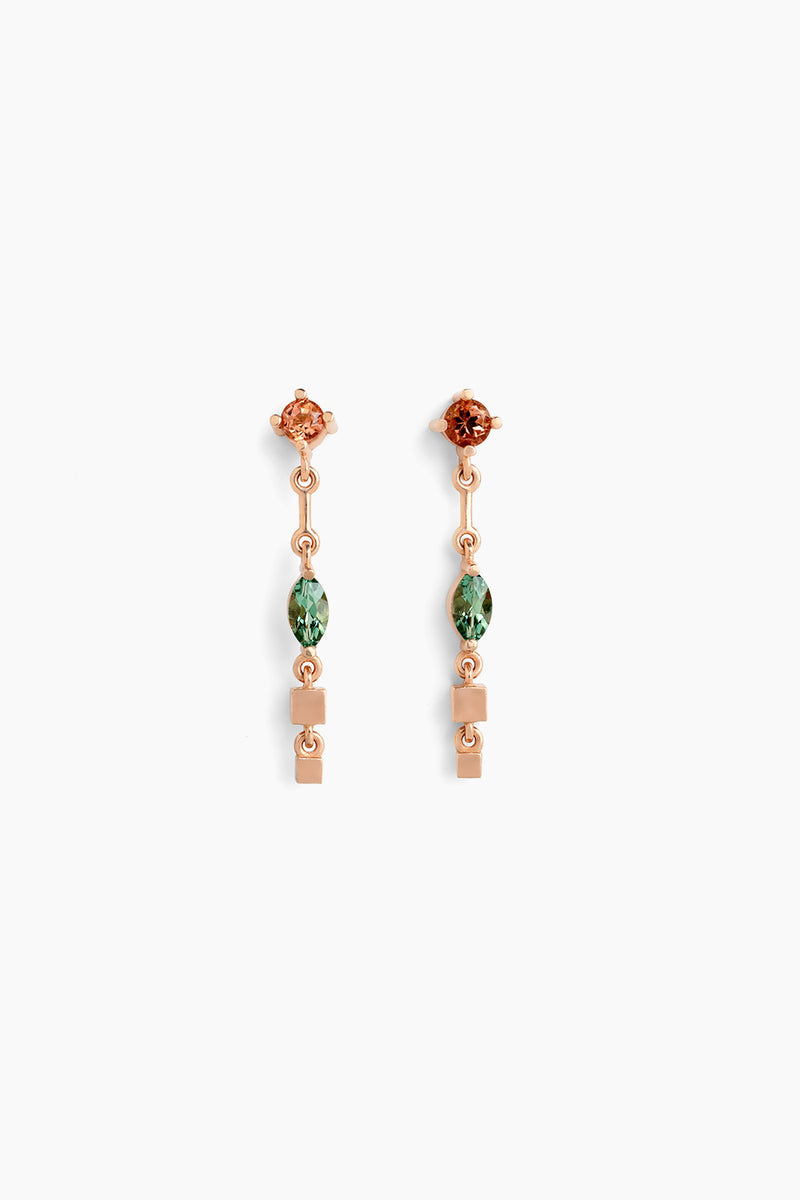
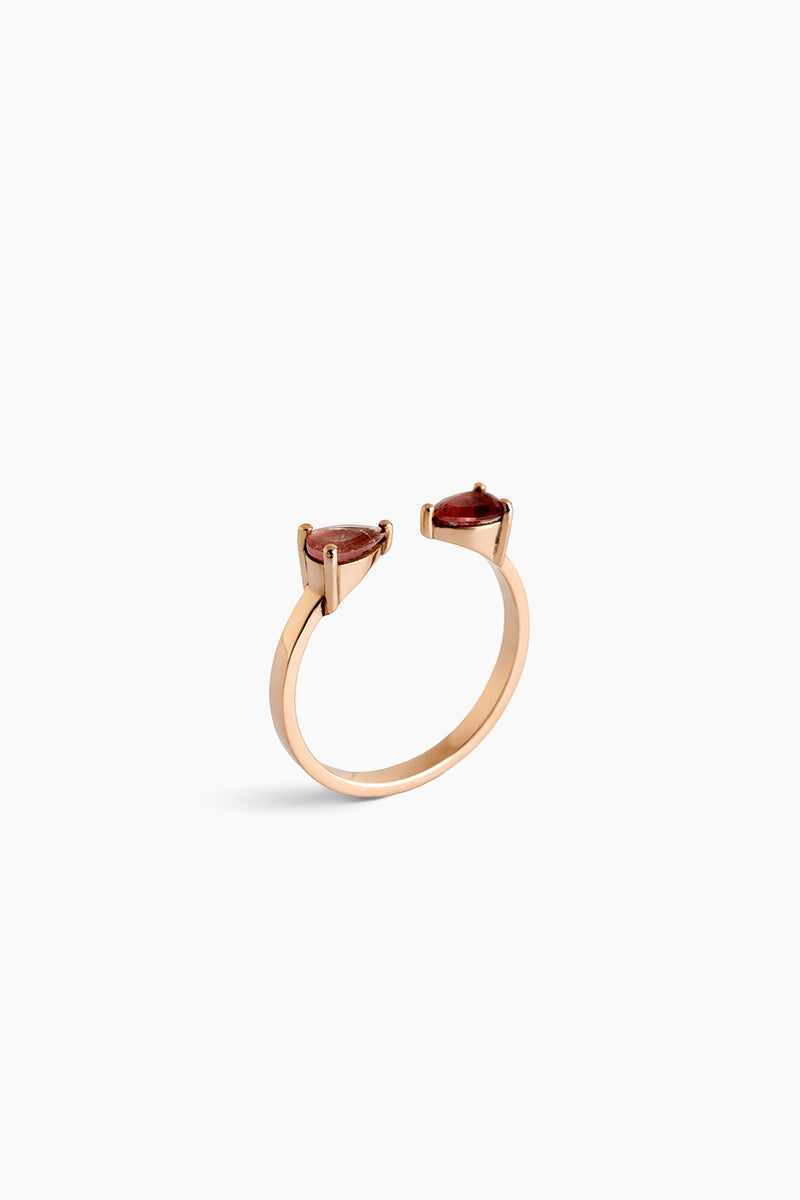
The romantic pink hue of rose gold comes from higher copper content in the alloy. This copper can develop a slight patina over time, which some people actually like as added character. Regular cleaning prevents excessive buildup, but a gentle patina is normal and doesn't mean anything is wrong. Rose gold pieces like the Astrid ring with its pear-shaped tourmaline benefit from this gentle maintenance approach.
The Connection Between Care and Longevity
Beautiful jewelry deserves beautiful care. When you invest in quality pieces, whether sculptural statement earrings or delicate everyday rings, proper maintenance isn't just about how things look. It's about preservation.
14K gold is remarkably durable, designed to be worn and loved for generations. But even the finest craftsmanship benefits from attentive care. Regular cleaning removes the invisible buildup that can eventually cause damage. Proper storage prevents unnecessary wear. Professional maintenance catches small issues before they become big problems.
Think of jewelry care as an extension of the appreciation that led you to choose each piece in the first place. That ring that makes you feel confident in important meetings, those earrings that complete your favorite evening look, the necklace that became your everyday signature, perhaps layered for maximum impact. They all deserve the few minutes it takes to keep them beautiful.
Your Complete Gold Jewelry Care Checklist
Here's a quick reference guide you can return to whenever your jewelry needs attention:
For Quick Refresh (Weekly):
- Wipe with soft, dry cloth
- Remove fingerprints and light residue
- Inspect for any visible issues
For Regular Cleaning (Monthly):
- Soak in warm water with mild dish soap (15-20 minutes)
- Brush gently with soft-bristled toothbrush
- Rinse thoroughly under lukewarm water
- Dry completely with lint-free cloth
For Deep Cleaning (Quarterly or As Needed):
- Use baking soda paste for stubborn buildup (solid gold only)
- Consider diluted ammonia for heavily tarnished pieces
- Follow with standard soap and water cleaning
For Professional Maintenance (Annually):
- Schedule professional cleaning and inspection
- Check prong settings and structural integrity
- Consider polishing or rhodium replating if needed
Always Avoid:
- Hot water or extreme temperatures
- Chlorine, bleach, and harsh chemicals
- Abrasive materials including toothpaste
- Soaking porous gemstones
- Storing pieces loose together
Embracing the Ritual of Care
There's something meditative about caring for beautiful objects. In a world that moves too fast, taking a few quiet moments to clean and admire your jewelry can be a small act of mindfulness. You notice details you might otherwise miss: the way light plays across a sculptural surface, the satisfying weight of quality gold, the memories attached to pieces collected over time.
Each piece of jewelry carries meaning beyond its materials. The ring from a milestone achievement, the earrings chosen for their perfect proportion, the necklace that simply felt right the moment you tried it on. Caring for these pieces honors both their craftsmanship and your connection to them. If you're looking for meaningful pieces to add to your collection, our jewelry gift guide offers curated suggestions.
Gold has been treasured across cultures and centuries because it doesn't corrode, doesn't fade, and keeps its beauty through time. Your 14K gold jewelry, properly cared for, can look as radiant decades from now as it does today. That's a kind of permanence worth protecting.
Now that you know how to clean gold jewelry properly, gather your soft cloth and mild soap. Set aside a few minutes for your pieces. Your jewelry, and your future self, will thank you.
Looking for gold jewelry worth caring for? Explore our collection of sculptural, modern pieces crafted in 14K gold, from the statement Amphora earrings to the minimalist Ground ring, designed to be worn and cherished for years to come.