

14K Gold vs Gold Plated: What You Need to Know Before You Buy
You're standing at a jewelry counter, looking at two gold rings side by side. One's $150, the other's $650. They look almost identical, but that price gap is trying to tell you something. Understanding 14K gold vs gold plated jewelry might be one of the more useful things you learn as someone who buys jewelry.
Here's the thing: with gold jewelry, the surface doesn't always tell the whole story. And that matters a lot when you're thinking about how your piece will look in six months, six years, or longer.
At Lilla Mei, we make all our gold pieces in 14K solid gold. We do this because we want to create jewelry that becomes part of your life, not something that fades before the memories really start. But we also think you should understand what you're buying. So let's get into what actually sets these options apart.
What Is 14K Gold, Exactly?
When someone says 14K gold, they're talking about an alloy that's 58.3% pure gold mixed with 41.7% other metals like copper, silver, and zinc. This isn't cutting corners. It's actually intentional.
Pure 24K gold looks gorgeous, sure, but it's way too soft for jewelry you'd actually wear. It would bend, scratch, and warp from almost nothing. The other metals in 14K gold give it the strength to handle daily life while keeping that gold glow everyone loves.
You should see "14K" or "585" (the European version, meaning 585 parts per thousand) stamped somewhere on your piece. Inside a ring band, near a clasp, on an earring post. That little mark tells you what you've actually got.
Why 14K and not something else? For most people, 14K hits a sweet spot. It has enough gold to resist tarnishing and keep that warm color, while being tough enough for rings and bracelets that see a lot of action. It costs less than 18K but still lasts. That's why it's become the standard for quality fine jewelry meant to be worn, not just looked at. It's also the ideal metal for layering necklaces and stacking rings, where durability matters.
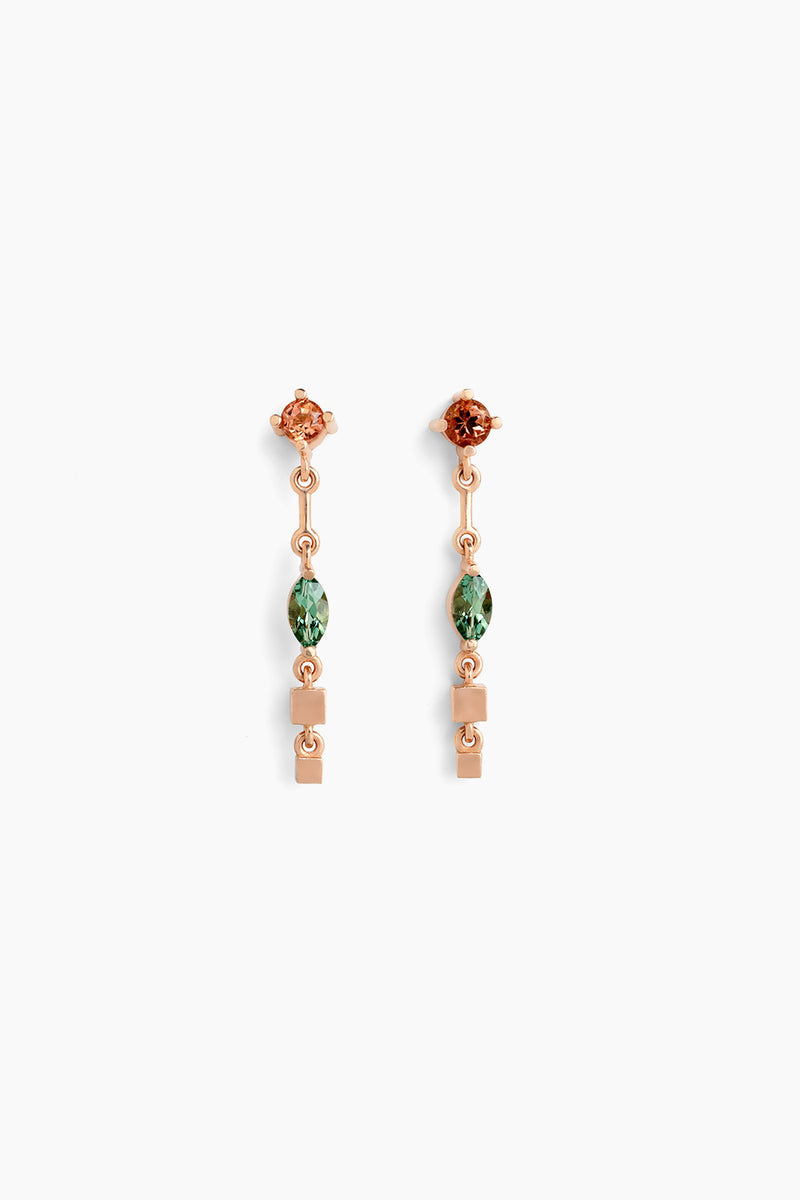
Gold Plated: What's Really Going On
Gold plated jewelry works completely differently. It starts with a base metal, usually brass, copper, or nickel, then uses electroplating to deposit a super thin layer of real gold on top. How thin? Between 0.5 and 2.5 microns. The actual gold content is less than 1% of the whole piece.
Think of it this way: if 14K gold jewelry is a chocolate truffle made with good cocoa, gold plated jewelry is a piece of candy with the thinnest chocolate shell you can imagine. Both might look similar when you first pick them up. How long they last and how they feel? Completely different story.
Gold plated pieces usually say "GP" (gold plated), "GEP" (gold electroplated), "HGE" (heavy gold electroplate), or "RGP" (rolled gold plate). Those letters are telling you that you're mostly looking at another metal wearing a thin gold disguise.
What About Gold Filled?
Before we go deeper into solid gold vs plated, there's gold filled jewelry sitting between these two.
Gold filled pieces are made by bonding a layer of gold (at least 5% of the total weight) onto a base metal core using heat and pressure. This creates a much thicker gold layer than plating, almost 100 times more gold than gold plated pieces.
What does that get you? Gold filled jewelry can last 10 to 30 years if you take care of it. It won't tarnish like plated pieces, and most people with metal sensitivities can wear it without problems. Look for "GF" or something like "1/20 14K GF" (meaning one-twentieth of its weight is 14K gold).
That said, gold filled still can't match solid gold for longevity, repairability, or holding value. It's a middle ground. Better than plating, but not something you'd pass down.
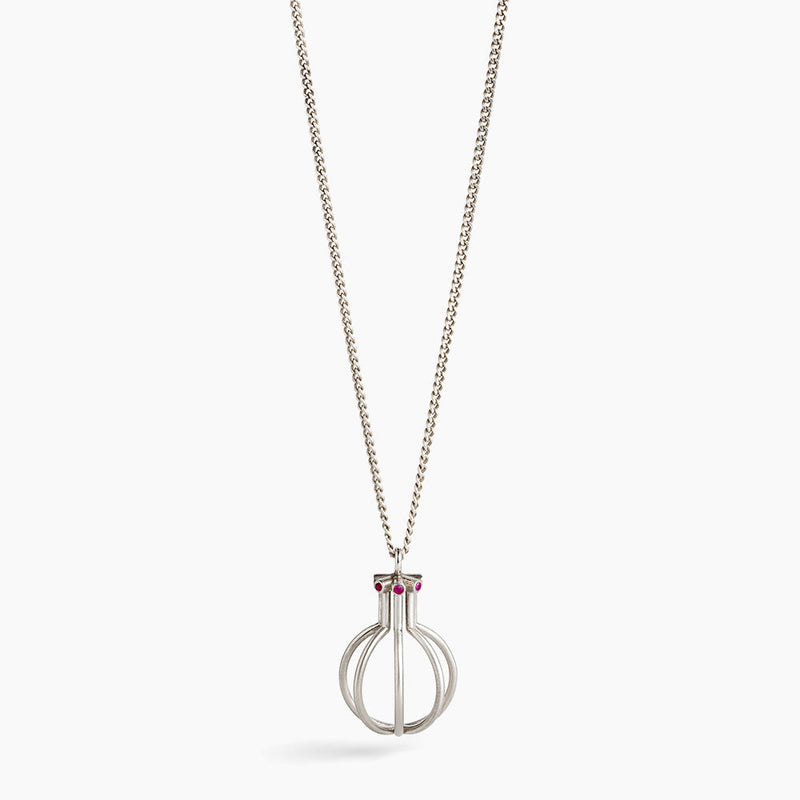
14K Gold vs Gold Plated: Durability Differences
This is where comparing 14k gold vs gold plated becomes hard to ignore.
Gold plated durability: Most gold plated jewelry starts showing wear somewhere between 6 months and 2 years, depending on how much you wear it and how you treat it. The gold wears off fastest where there's friction. The bottom of rings that rub on desks. Clasps you open and close all the time. Chain sections that rest against your skin.
Once that thin gold layer wears through, you're dealing with the base metal underneath. That can mean:
- Color changes as the base metal shows through
- Tarnishing and dull spots
- Green or black marks on your skin from copper oxidation
- Allergic reactions if the base has nickel in it
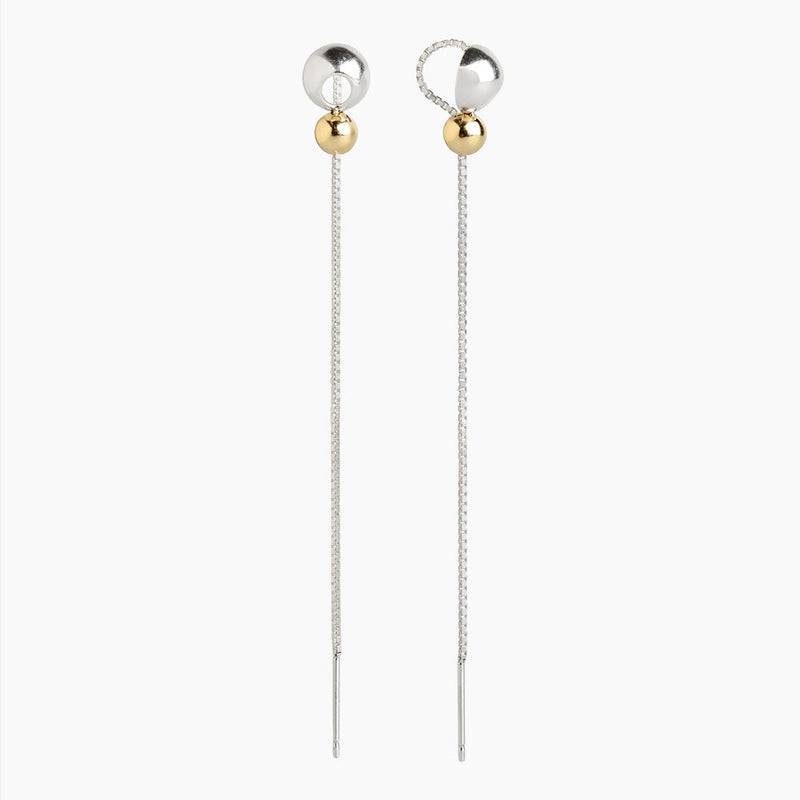
14K solid gold durability: With solid gold, you're looking at something that lasts a lifetime. Often multiple lifetimes. Antique jewelry from over a hundred years ago still looks beautiful because solid gold simply doesn't degrade or fundamentally change. Pieces like the Balance earrings in 14K gold are designed with this longevity in mind.
Can 14K gold get scratched? Sure. Can it develop a patina over time? Absolutely. But these are surface things that a jeweler can polish away, bringing your piece back to how it looked on day one. With proper care, including regular cleaning using the methods in our guide on how to clean gold jewelry, solid gold maintains its beauty indefinitely. The metal stays the same all the way through, which means the beauty you see at first is what stays for decades.
A Quick Comparison
| Feature | 14K Solid Gold | Gold Filled | Gold Plated |
|---|---|---|---|
| Gold Content | 58.3% pure gold | At least 5% | Less than 1% |
| Typical Lifespan | Lifetime+ | 10-30 years | 6 months to 2 years |
| Tarnish Resistance | Won't tarnish | Resistant | Will tarnish |
| Skin Reactions | Hypoallergenic | Usually safe | Often causes reactions |
| Can Be Resized | Yes | Limited | No |
| Can Be Repaired | Yes | Limited | Rarely worth it |
| Resale Value | 70-95% of gold value | Minimal | None |
| Price Point | Highest | Mid-range | Lowest |
What "Affordable" Gold Actually Costs You
Let's talk about the real cost of gold plated jewelry over time.
A gold plated ring might run you $30. A comparable 14K gold ring? Maybe $300. If budget is your main concern, the plated one seems obvious. But think about this:
Over five years, you might replace that gold plated ring 3 or 4 times as the plating wears away. That's $90-$120 on pieces with zero resale value that can't be fixed. Meanwhile, your 14K gold ring still looks great. Maybe it has a few marks that a quick polish would take care of. And it's still worth real money if you ever wanted to sell.
More importantly, the solid gold ring can be passed down. It can be resized when your finger changes. If a stone gets loose, it can be repaired. It becomes part of your story in a way that disposable jewelry just can't.
When you're wondering if 14K gold is worth it, you're not just comparing price tags. You're deciding between something temporary and something lasting.
What Happens When Gold Plating Wears Off
This part doesn't get mentioned much when people are selling gold plated jewelry, but you'll experience it firsthand if you wear plated pieces regularly.
The green skin thing: That distinctive green mark on your finger or wrist isn't just annoying. It's a chemical reaction between copper in the base metal and the acids, moisture, and oils your skin naturally produces. You end up with copper carbonate, the same compound that gives the Statue of Liberty its famous green color.
Solid 14K gold won't ever do this because there's enough gold content to stop the oxidation that causes it.
Allergic reactions: Nickel shows up a lot in gold plated jewelry base metals because it's cheap and strong. Problem is, nickel allergies are pretty common, affecting around 8-19% of the general population, with women at higher risk due to increased jewelry exposure. You'll get redness, itching, and irritation right where the jewelry touches skin.
With 14K solid gold, you're wearing the same metal through and through, and quality pieces typically use nickel-free alloys specifically to avoid this. If you're unsure whether gold or silver suits your skin better, our guide on gold vs silver jewelry for your skin tone can help you decide.
It doesn't come back: Once gold plating starts wearing off, that's it. You can get it replated, but that often costs as much as, or more than, buying something new. And replated jewelry wears through faster than the original because the base metal's already been compromised.
How to Spot Real 14K Gold
Knowing how to identify genuine 14K gold keeps you from paying solid gold prices for plated alternatives. Here's what to look for:
Legitimate 14K gold markings:
- "14K" or "14KT"
- "585" (European standard, meaning 585 parts per thousand pure gold)
- "AU585" (AU is gold's chemical symbol)
Gold plated markings:
- "GP" (gold plated)
- "GEP" (gold electroplated)
- "HGE" (heavy gold electroplate)
- "14K GP" or "585 GP"
- "RGP" (rolled gold plate)
Where to find them:
- Rings: inside the band
- Necklaces and bracelets: near or on the clasp
- Earrings: on the post or back
One thing to keep in mind: Hallmarks can be faked. When you're buying fine jewelry, stick with reputable sources that give you documentation of metal purity. A professional jeweler can also do an acid test to verify gold content if you're unsure about a piece you already own.
Taking Care of Your 14K Gold
One of the nice things about solid 14K gold is how little maintenance it actually needs. Unlike plated jewelry that requires constant attention, caring for 14K gold is pretty straightforward.
Regular home cleaning:
- Mix a few drops of mild dish soap in warm water
- Soak your jewelry for 15-20 minutes
- Gently scrub crevices with a soft-bristled toothbrush
- Rinse in clean water
- Pat dry right away with a lint-free cloth (don't air dry, that leaves water spots)
What to avoid:
- Chlorine (pools and hot tubs)
- Harsh chemicals like bleach and cleaning products
- Abrasive materials that scratch
- Hairspray, lotions, and perfume (put jewelry on last when getting ready)
Storage: Keep each piece separate in a soft pouch or lined jewelry box so they don't scratch each other. Store somewhere cool and dry, away from direct sunlight.
Professional care: Get your fine gold jewelry professionally cleaned every year or two. Jewelers can reach spots you can't, check settings if you have gemstones, and polish away accumulated wear.
Making the Right Choice
Understanding 14k gold vs gold plated comes down to knowing what you want from your jewelry.
Gold plated makes sense when:
- You're trying out a trend you might not stick with
- You need pieces for very occasional wear with specific outfits
- Budget is your main priority and durability is secondary
- You understand and accept the short lifespan
14K solid gold makes sense when:
- You want pieces you can wear every day without worrying
- You value jewelry that holds meaning and memories over time
- You have sensitive skin or metal allergies
- You think of jewelry as an investment, not just an accessory
- You want the option to repair, resize, or pass down your pieces
For inspiration on building a lasting collection, explore our guide to a minimalist gold jewelry collection.
How We Approach Gold at Lilla Mei
At Lilla Mei, every gold piece we make is 14K solid gold. This isn't about being exclusive. It's about being honest about what fine jewelry should be.
Our sculptural, geometric designs are meant to be worn and lived in. They're meant to catch light at dinner and hold up through ordinary moments in an extraordinary life. They're meant to become part of your story. The ring you wore when you accepted that job. The earrings that saw you through a decade of growth. The necklace you'll someday give to someone who matters.
That kind of meaning can't rest on base metal with a thin gold veneer. It needs the real thing. Looking for the perfect piece? Our jewelry gift guide can help you choose.
Your Questions, Answered
Q: How long does gold plated jewelry last compared to 14K gold?
Gold plated jewelry typically lasts 6 months to 2 years with regular wear, while 14K solid gold can last a lifetime and beyond. The thin gold layer on plated jewelry wears away at friction points, whereas solid gold maintains its integrity indefinitely.
Q: Will 14K gold turn my skin green?
No, 14K solid gold will not turn your skin green. The green discoloration comes from copper oxidation in base metals, which is common with gold plated jewelry once the thin gold layer wears off. Solid 14K gold contains enough pure gold to prevent this reaction.
Q: Is 14K gold worth the investment over gold plated?
Yes, for pieces you plan to wear regularly or keep long-term. While gold plated costs less upfront, it requires frequent replacement. 14K gold retains 70-95% of its value depending on condition if resold, can be repaired and resized, and becomes more beautiful with age.
Q: How can I tell if my jewelry is 14K gold or gold plated?
Check for hallmarks inside the piece. Solid 14K gold is stamped "14K" or "585" (indicating 58.5% pure gold). Gold plated items show "GP," "GEP," or "14K GP." The stamp location varies: inside ring bands, near clasps on necklaces, or on earring posts.
Q: Can gold plated jewelry be repaired or resized?
Generally no. Resizing plated rings damages the gold layer, and once plating wears off, replating often costs more than replacement. Solid 14K gold can be polished, repaired, and resized throughout its lifetime without compromising quality.
Final Thoughts
The difference between 14K solid gold and gold plated jewelry isn't just technical. It's about what you're looking for. One represents a commitment to quality that lasts. The other represents different priorities that may or may not match what you actually want from your jewelry.
Neither choice is inherently wrong. But understanding what each option really means lets you make decisions that fit your intentions. If you want jewelry that lasts, that can be repaired and treasured and handed down, that won't leave green marks or trigger allergies, that holds real value, then solid 14K gold isn't just nice to have. It's the only thing that actually delivers on those promises.
Next time you're at that jewelry counter comparing two pieces that look similar but have very different prices, you'll know exactly what that difference means. And honestly, that knowledge is worth more than any discount.
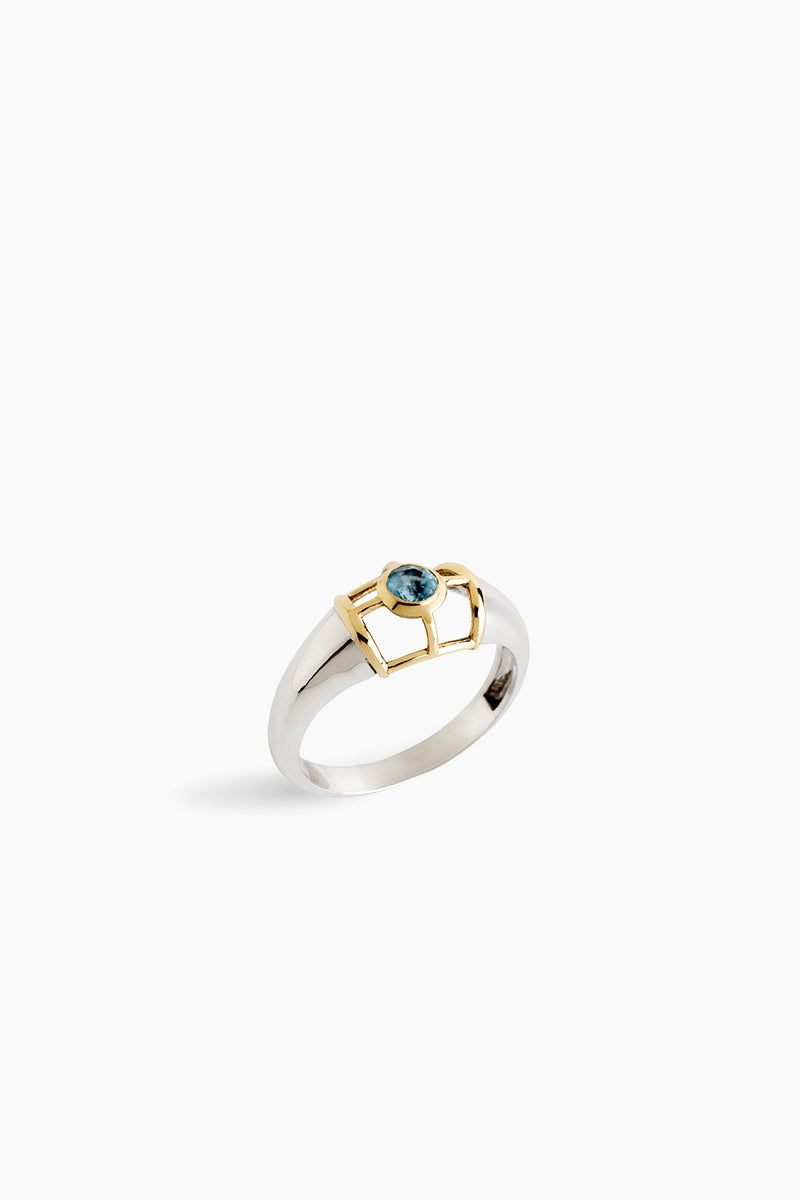
Explore our collection of handcrafted 14K gold jewelry, from the minimalist Ground ring to the geometric Kite ring, designed to become part of your story.