

The Complete Guide to Layering Necklaces Like a Stylist
A well-layered necklace stack has a certain pull to it. It catches the eye, adds dimension to an outfit, and makes even a plain white tee look put-together. But for a lot of people, the art of layering necklaces feels like something only stylists or fashion editors can pull off. They make it look so easy.
Here's the thing: learning how to layer necklaces really isn't that complicated once you get the basics down. When you understand how length, proportion, and balance work together, you can put together stacks that feel curated and personal without overthinking it. This guide covers everything from the technical stuff (like measurements that prevent tangling) to the creative choices that make your layers feel like you.
Understanding Necklace Lengths: The Foundation of Every Great Stack
Before you can layer necklaces with any confidence, it helps to know the language of lengths. Each standard measurement hits at a different spot on the body, and understanding this geography is what separates a stack that looks intentional from one that looks accidental.
Choker (14-15 inches) sits snugly at the base of your neck, right below the clavicle. This length makes an excellent anchor for your layered look because it gives everything else a clear starting point.
Princess (16-18 inches) rests at or just below the collarbone. This is probably the most common necklace length and easily the most versatile for layering. An 18-inch chain is often considered the standard, which makes it a solid middle layer that works with almost any neckline.
Matinee (20-24 inches) falls at chest level and adds visual depth to your layers. This length looks great with tees, dresses, and button-downs, giving your stack that polished mid-layer dimension.
Opera (28-36 inches) offers a long, flowing statement that elongates the torso and creates movement. It's perfect for drawing the eye downward and adding some drama to your composition.
The golden rule of necklace layering? Keep at least 2 inches of difference between each layer. Some stylists recommend 2-4 inches for more dramatic definition. This spacing keeps each piece visible, distinct, and less likely to tangle.
How to Layer Necklaces: The Three-Layer Foundation
If you're new to chain layering, the three-necklace formula is your most reliable starting point. It creates visual interest without overdoing it, and gives you a template you can tweak once you've got the basics handled.
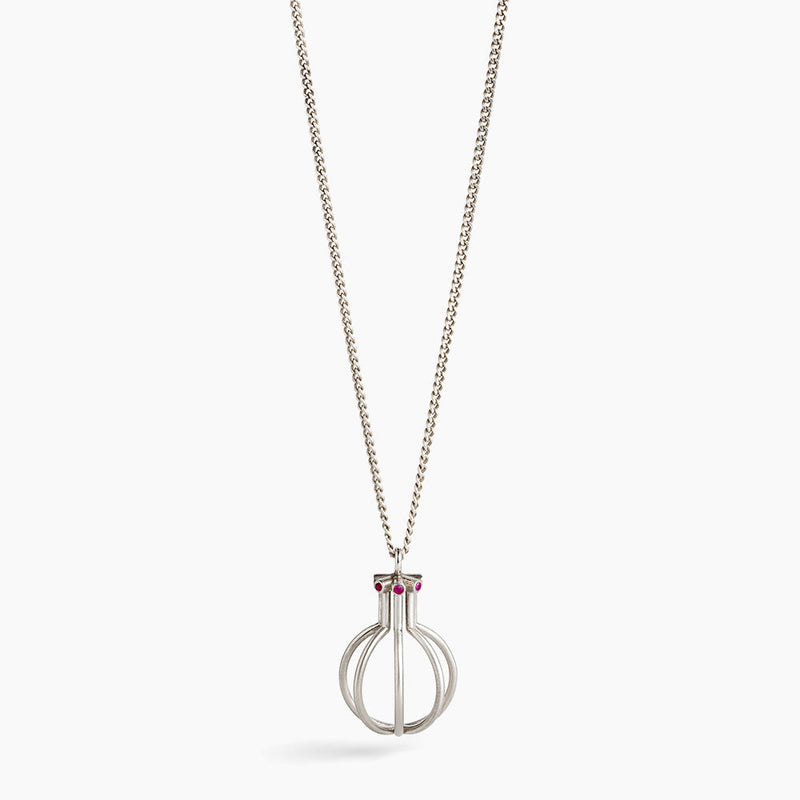
Layer One: The Anchor Start with a short, simple piece at 14-16 inches. This choker or collarbone-length chain establishes the foundation. For this anchor layer, go with something relatively understated, whether that's a delicate chain, a subtle geometric pendant like the Element, or a sculptural link design. You want a solid base that the other layers can play against.
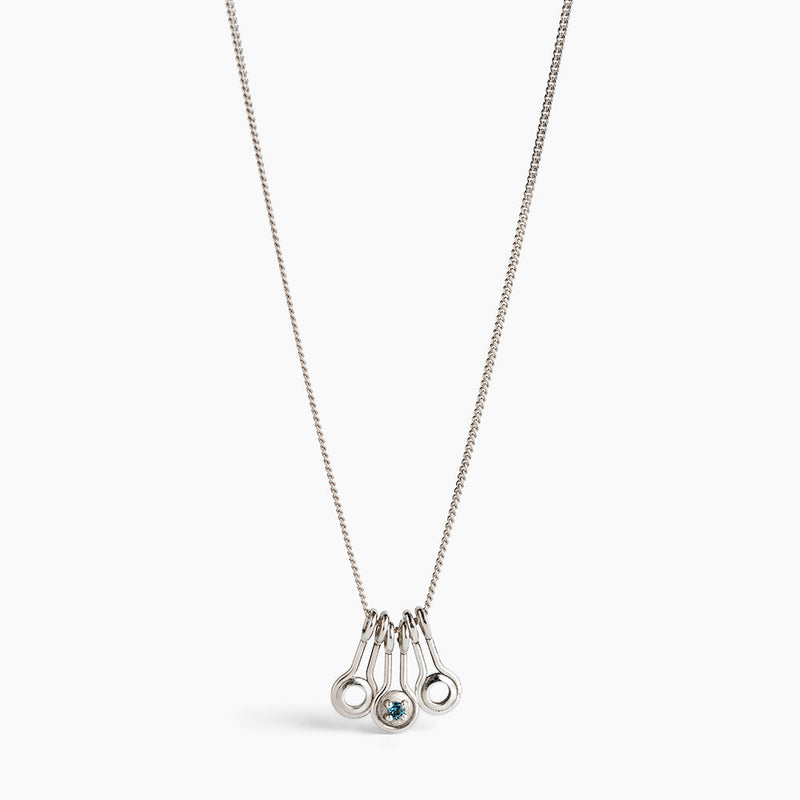
Layer Two: The Focal Point Your middle layer at 18-20 inches is where you can bring in your statement element. This might be a pendant with personal meaning, a geometric charm, or a chain with interesting texture. A piece like the Flowing Trio with its three connected elements works beautifully here. This layer carries the visual weight of your stack, so pick something that feels like you.
Layer Three: The Closer A longer piece at 24-30 inches completes everything, creating that professional cascading effect. This final layer adds movement and depth, drawing the eye downward and giving your look a sense of intentional completion.
Mixing Chain Styles and Textures
The visual richness of a layered necklace stack comes not just from varying lengths but from how different chain styles and textures play off each other. When every chain looks the same, the effect falls flat. When you mix textures thoughtfully, you create dimension and visual interest.
Classic Chain Styles to Consider:
- Cable chains offer timeless simplicity with their uniform oval links
- Paperclip chains bring modern, elongated links that catch light differently
- Snake chains provide sleek, dense surfaces that resist tangling
- Box chains create geometric, structured lines with their square links
- Rope chains add textural complexity with their twisted appearance
- Curb chains deliver that bold, flat-link statement
The key is contrast. Pair a rope chain with a paperclip link. Set a sleek snake chain against a delicate cable chain. Mix smooth surfaces with textured ones. This variety creates what stylists call a "neck mess" (in a good way), a layered look that feels collected and intentional rather than uniform and predictable.
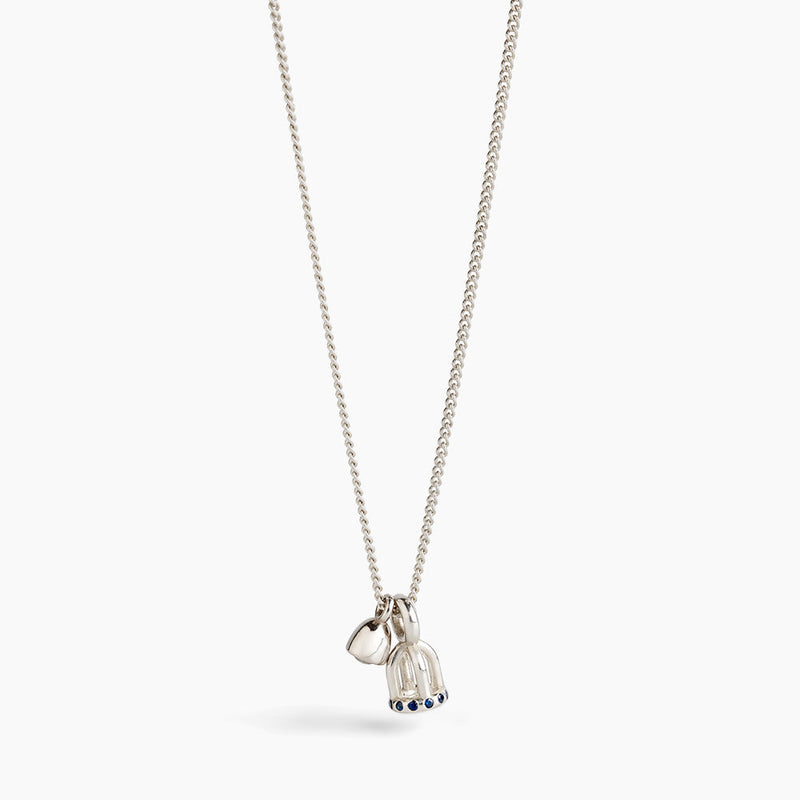
If you're drawn to sculptural jewelry, geometric jewelry designs offer particular appeal. Angular links, architectural forms, and chains that blur the line between classic and contemporary add that modern edge that elevates a basic stack into something more artful. The Mini Blooms necklace combines botanical inspiration with modern form for exactly this effect.
Layering Gold Necklaces: Classic Warmth
Gold remains the most popular choice for layering, and for good reason. Its warmth flatters most skin tones, it moves easily from day to night, and it carries that timeless elegance that makes layered looks feel sophisticated rather than trendy.
When layering gold necklaces, you have choices within the gold family itself:
Yellow gold delivers that classic, rich warmth that has defined luxury jewelry for centuries. It pairs beautifully with earth tones, jewel tones, and neutrals.
Rose gold introduces romantic warmth with its pinkish undertone. It works especially well with soft palettes and offers a more contemporary alternative to traditional yellow.
White gold provides the elegance of platinum at a different price point, with cool tones that complement silver-toned wardrobes.
For a cohesive gold layering look, you don't need every piece to match exactly. Variations in chain weight, texture, and even tone (mixing yellow with rose, for instance) add visual interest. The unified gold family keeps everything cohesive while the variations prevent it from feeling too matchy-matchy.
When layering gold necklaces specifically, 14K gold offers a good balance of durability and beauty for everyday wear. Its resistance to scratching means your layered chains can move against each other throughout the day without damage.
The New Rules of Mixing Metals
Maybe no aspect of jewelry styling has changed more than the rules around mixing metals. What was once considered a faux pas is now one of 2025's defining jewelry trends. The one-metal mindset is officially out.
Mixing gold and silver, and even adding rose gold to the mix, creates depth and versatility that single-metal looks can't achieve. The key is approaching it with intention rather than randomness.
Strategies for Successful Metal Mixing:
Choose a dominant metal. Let one metal take the lead (roughly 70% of your stack) while the other provides accent. This creates cohesion while still embracing the mixed-metal aesthetic.
Use a bridge piece. Two-tone pieces that combine both metals act as transitions, making the mix feel purposeful. A necklace with both gold and silver elements ties the whole stack together.
Balance visual weight. If you're wearing a chunky gold chain, pair it with a delicate silver piece. This balance prevents any single element from overwhelming everything else.
Consider your undertones. While mixing metals works for everyone, you might find one metal feels more natural as your dominant choice based on your skin's undertones.
The freedom to mix metals also means you can include meaningful pieces regardless of their metal. That inherited silver pendant can layer beautifully alongside your everyday gold chains, telling a richer story than a perfectly matched set ever could. For more on choosing between metals, see our guide on gold vs silver jewelry for your skin tone.
Styling for Different Necklines
Your neckline determines which lengths and styles show to best advantage. A layered look that works beautifully with a V-neck might disappear entirely under a crew neck. Understanding this relationship helps you build stacks that complement rather than fight against your wardrobe.
V-Neck and Scoop Neck These open necklines are the most forgiving for layered looks. The V-shape creates a natural frame for your stack, so echo that geometry with your layers. Y-shaped pendants or pointed arrangements that follow the V create visual harmony. You have space for multiple layers here, making these necklines great for more elaborate stacks.
Crew Neck and Round Neck Higher necklines reduce your visible real estate, so keep layers close to the neck or go dramatically longer. A choker that sits just above the neckline paired with a long opera-length chain creates an elegant solution. Mid-length chains often get lost or sit awkwardly at the fabric line, so it's usually better to go very short or very long.
Square and Boat Neck These horizontal necklines work well with layers that provide vertical balance. Start with a choker and add progressively longer pieces to draw the eye downward, balancing the width of the neckline.
Button-Down and Open Collar This is layering heaven. The open collar creates a natural V-frame, and you can tuck shorter layers inside the collar while letting longer pieces cascade over the shirt. A choker paired with a mid-length chain that sits in the collar opening looks effortlessly polished.
Turtleneck Go bold. Chunky chains and long statement pieces worn over the fabric create striking contrast. Delicate layers get lost against turtleneck fabric, so this is the time for bolder, weightier pieces that command attention.
Incorporating Pendants and Charms
Pendants and charms add the personal dimension that transforms a stack from merely stylish to meaningfully yours. They create focal points that draw the eye and tell stories that plain chains can't.
Placement Matters A pendant typically works best at the middle layer (18-20 inches), where it can serve as the focal point without competing with other elements. If you're layering multiple pendants, stagger them across different lengths so they don't cluster at the same spot.
Scale and Proportion A single substantial pendant can anchor your entire look. Multiple smaller charms can be distributed across layers for a collected, story-telling effect. What you want to avoid is multiple large pendants at similar lengths competing for attention.
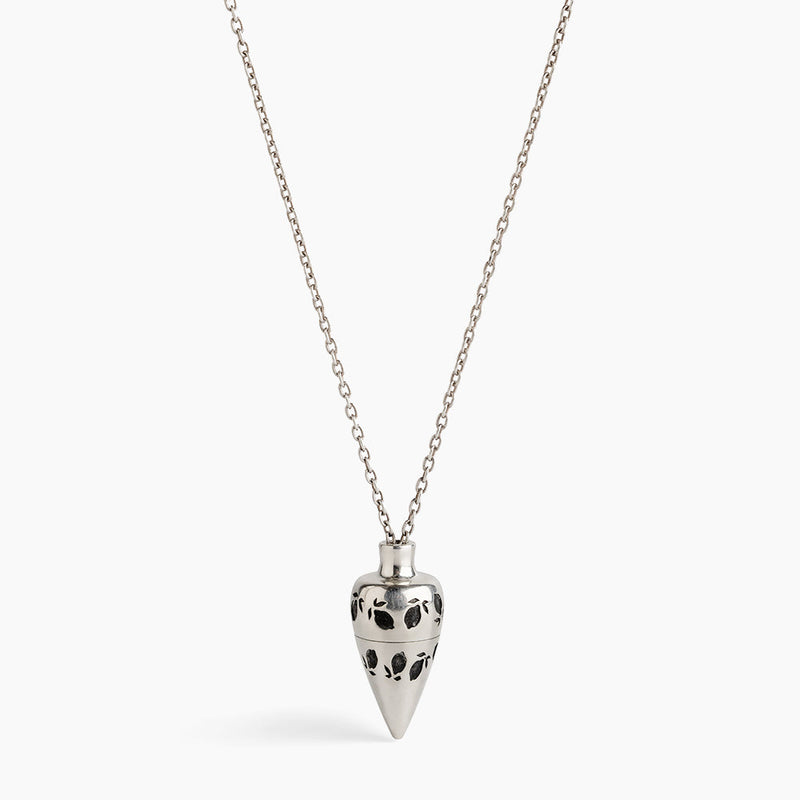
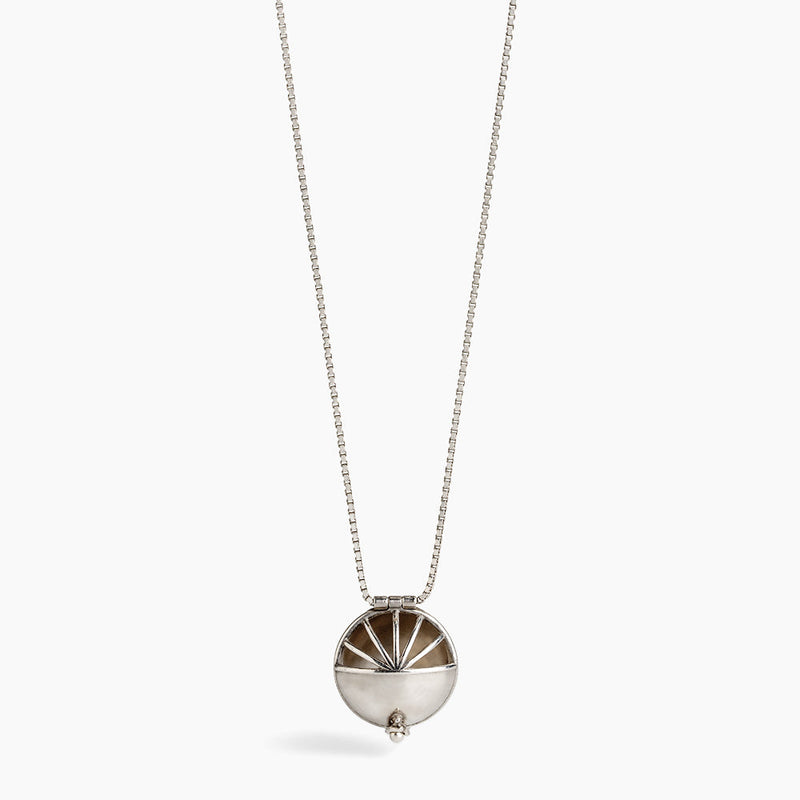
Meaningful Additions Birthstones, initials, zodiac symbols, meaningful coordinates. Your necklace stack can carry personal significance that makes the styling choice about more than aesthetics. A keepsake piece like the Sunbeam Keeper locket can hold a photo or small memento, becoming a conversation starter and daily reminder of what matters to you.
Pendant Styling Tips:
- Keep to 2-3 pendants maximum for balanced layering
- Mix pendant shapes (round with rectangular, organic with geometric) for visual interest
- Let pendants with personal meaning take center stage
- Use plain chains to offset pendant-heavy layers
The Art of Preventing Tangles
Nothing deflates the joy of a perfectly layered look faster than chains that twist and tangle throughout the day. Fortunately, there are solutions that keep your stack polished from morning to evening.
Layering Clasps and Detanglers These ingenious accessories connect multiple chains at the back of your neck, keeping them separated and aligned. A single clasp can hold 2-4 necklaces, eliminating the frustrating twist that happens when chains move independently. This might be the most effective solution for those who layer daily.
Strategic Length Differences The greater the difference in chain lengths, the less likely tangling becomes. Chains that are only 1 inch apart will inevitably meet and twist. Chains separated by 3-4 inches have much more independence of movement.
Chain Weight Pairings Lighter, more delicate chains tend to move more and tangle more easily. Pairing them with heavier chains creates stability. The weightier chain keeps its position while providing something for the lighter chain to drape around.
Chain Style Choices Some chain styles are just less prone to tangling. Snake chains and box chains, with their dense, sleek profiles, resist knotting better than open-link styles. If tangling is a persistent problem, consider working one of these more stable chain types into your stack.
Putting Them On in Order Always put your shortest necklace on first, then add each subsequent layer in order of length. This systematic approach prevents chains from crossing at the clasp and gives you the chance to adjust each layer before adding the next.
Layering for Different Occasions
The beauty of a well-curated necklace collection is its versatility. The same pieces can be combined differently for work, weekend, and evening, adapting to context while maintaining your personal aesthetic.
Everyday Casual Keep it simple but intentional. Two layers work beautifully here: maybe a delicate chain at the collarbone and a pendant at mid-length. You want polish without preciousness, jewelry you can forget you're wearing but that still elevates your look. Pair with t-shirts, casual blouses, and weekend sweaters.
Professional Settings Necklace layering in the workplace should feel professional while still expressing personal style. Stick to two layers during business hours. A simple collarbone-length chain paired with a linear pendant or subtle second layer creates depth without visual noise. Avoid anything that jangles or draws excessive attention. Sculptural, geometric pieces in minimal silhouettes work particularly well in professional contexts.
Evening and Events This is your moment for drama. Three to four layers of increasing length create that red-carpet cascading effect. Bring in sparkle through gemstone accents or textured chains that catch the light. Mix your finest pieces with intention, knowing they'll be admired. A diamond or gemstone pendant at the focal point, framed by elegant chains above and below, makes a statement worthy of special occasions.
Date Night Strike the balance between polished and approachable. A thoughtful two or three-layer stack shows you put intention into your appearance without looking overdone. Consider pieces with personal meaning that might spark conversation.
Building Your Layering Collection
You don't need dozens of necklaces to create beautiful layered looks. A thoughtful, minimal collection of versatile pieces will take you further than a drawer full of options that don't work together.
Essential Starting Pieces:
- A simple chain at 16 inches - This collarbone-length basic anchors almost any stack
- A chain with subtle texture at 18 inches - Different from your 16-inch piece in style or weight
- A meaningful pendant at 20-22 inches - Your focal point piece that carries personal significance
- A longer statement at 24-30 inches - For completing three-layer stacks and adding drama
Building Thoughtfully: Rather than accumulating random pieces, think about how each new addition will work with what you already own. Will it layer well with your existing chains? Does it fill a gap in your length range? Does it offer something texturally different?
Quality matters more than quantity in a layering collection. Well-made pieces in solid gold or sterling silver maintain their beauty over time and wear well against each other. Understanding the difference between 14K gold vs gold plated helps you invest in pieces that layer more elegantly, with better drape and movement than lesser-quality alternatives.
The 2025 Approach: Intentional Minimalism
While layering remains a defining jewelry trend in 2025, the approach has evolved. The focus has shifted from more-is-more maximalism to intentional, meaningful compositions. It's about finding a balance between minimalism and statement-making.
This means curating rather than piling on. It means choosing pieces that speak to each other and to you. It means building stacks that feel collected over time rather than thrown together in a moment. For inspiration on building a cohesive jewelry wardrobe, explore our guide to a minimalist gold jewelry collection.
The mixed-metal freedom of 2025 supports this approach. No longer constrained to matching everything perfectly, you can work inherited pieces, gifts, and personal finds into cohesive stacks. Your layers can tell your story in a way that all-matching sets never could.
Sculptural and geometric designs fit perfectly with this philosophy. Clean lines, modern forms, and architectural details create visual interest without excess. A single geometric pendant can carry a stack, its form compelling enough that additional ornamentation becomes unnecessary.
Caring for Your Layered Pieces
When necklaces spend their days in proximity, rubbing and resting against each other, proper care becomes essential. The chains that layer together also need attention together. For detailed maintenance advice, see our guide on how to clean gold jewelry.
Daily Care: Remove your layered necklaces before showering, swimming, or exercising. Even durable pieces suffer from repeated exposure to water, sweat, and product buildup.
Storage: Store layered pieces separately to prevent tangling. Individual pouches, hanging displays, or compartmentalized jewelry boxes keep chains from intertwining when not worn. If you layer the same pieces daily, a dedicated layering clasp that stores them together (but separated) offers convenience.
Cleaning: Clean layered pieces regularly to maintain their luster. Gold and sterling silver can be gently wiped with appropriate cloths. Pieces worn daily in multi-chain stacks may need more frequent attention than pieces worn solo.
Inspection: Regularly check clasps, jump rings, and chain links for wear. When chains layer together, weak points can develop from the constant interaction. Catching these issues early prevents losing treasured pieces.
Your Signature Stack
The ultimate goal of learning how to layer necklaces isn't to copy someone else's style but to develop your own signature approach. Maybe you gravitate toward three delicate gold chains in cascading lengths. Maybe you prefer bold contrasts between chunky and delicate. Maybe your signature includes a meaningful pendant that anchors every stack you create.
There's no single right way to layer. The techniques and principles in this necklace layering guide provide the framework, but the creative choices are entirely yours. Start with the fundamentals, with proper lengths and intentional variety, then let your personal aesthetic guide the rest.
The stylists and fashion editors who make layering look effortless have simply practiced until it became instinct. They know what lengths work for their proportions, what textures they prefer, what metals feel most like themselves. You'll develop the same instincts as you experiment and observe what works.
Begin with two pieces. Master that before adding a third. Build your collection slowly, choosing pieces that complement what you already own. And remember that the best layered looks aren't about following rules perfectly but about wearing your jewelry with the confidence that comes from understanding why it works.
The necklaces closest to your heart should be closest to your heart, literally. Layer with intention, with meaning, and with the knowledge that you now have the techniques to do it beautifully.