

The Art of Geometric Jewelry: Design, History, and Modern Style
There's something magnetic about a perfectly angled triangle, the clean sweep of a circle, or the bold presence of intersecting lines worn at the ear. Geometric jewelry speaks a kind of universal language. Precision. Intention. The sort of timeless beauty that outlasts passing trends.
At its heart, geometric jewelry celebrates the marriage between mathematics and art. These pieces command attention not through fussy embellishment but through the power of form itself. A single sculptural earring can shift an entire outfit. An architectural ring becomes a conversation starter. This is jewelry as statement, as philosophy, as something you actually wear. For those drawn to bold geometric shapes, our statement earrings styling guide offers practical advice on wearing these pieces with confidence.
For those of us who design and create geometric pieces, understanding the history behind this aesthetic makes every angle and curve feel more intentional. And for those who wear them, that knowledge turns a simple accessory into something richer: a connection to artistic movements that shaped how we see the world today.
The Roots of Geometric Jewelry: A Journey Through Design History
The story of geometric jewelry starts long before anyone used that term. Ancient civilizations clearly understood the power of geometric forms. Egyptian pharaohs wore symmetrical collar necklaces. Greek artisans crafted perfectly proportioned fibulae. Celtic metalworkers wove intricate geometric patterns into their brooches.
But the real revolution arrived in the early twentieth century. A perfect storm of artistic innovation, technological advancement, and cultural transformation gave birth to movements that would forever change how we think about adornment.
Art Deco: The Geometric Revolution (1920s-1930s)
You can't talk about geometric jewelry without understanding Art Deco, the movement that turned angular shapes and bold symmetry into the height of luxury.
Emerging from the 1925 Exposition Internationale des Arts Decoratifs et Industriels Modernes in Paris, Art Deco represented a decisive break from the flowing, organic lines of Art Nouveau. Where Art Nouveau celebrated curves inspired by nature, Art Deco embraced the machine age with angular precision.
The jewelry of this era featured bold geometric motifs: chevrons, zigzags, stepped patterns, and fan shapes. Designers drew inspiration from Cubism's fragmented forms, Egyptian archaeology (Tutankhamun's tomb had been discovered in 1922), and the sleek lines of skyscrapers rising across American cities.
Symmetry became paramount. Art Deco jewelry pieces were often perfectly balanced, with geometric patterns radiating from a central point. Platinum, prized for its strength and malleability, allowed for intricate filigree work within strict geometric frameworks. Diamonds were cut in new shapes: baguettes, emerald cuts, trapezoids. These emphasized linear beauty over the rounded brilliance of earlier eras.
The color blocking characteristic of Art Deco created striking visual contrasts. White diamonds against black onyx. Vivid emeralds paired with sapphires. Coral and jade arranged in bold graphic patterns. These were pieces that announced themselves, reflecting the confidence and optimism of the Jazz Age.
Bauhaus: Form Follows Function (1919-1933)
While Art Deco celebrated geometric luxury, the Bauhaus school in Germany pursued a different vision of geometric beauty. One rooted in functionalism and the unity of art, craft, and industry.
Founded by architect Walter Gropius, the Bauhaus philosophy rejected ornament for its own sake. Instead, designers sought to create objects where beauty emerged from form and function working together. In jewelry, this translated to pieces of austere, clean geometry: circles, squares, and triangles in their purest expressions.
Bauhaus-influenced jewelry often featured industrial materials like stainless steel, chrome, and nickel, sometimes embellished with glass, plastic, or enamel. The aesthetic was minimal but never cold. These pieces possessed a quiet elegance that came from perfect proportions and thoughtful material choices.
This philosophy still resonates with modern jewelry design. The Bauhaus taught us that simplicity isn't the absence of creativity but rather its highest expression. A perfectly formed silver circle. A precisely angled triangle pendant. A ring of clean, unadorned geometry. These pieces carry forward the Bauhaus belief that good design serves both purpose and beauty.
The Architectonic Movement: Jewelry as Structure (1960s-Present)
By the 1960s, a new generation of jewelry designers began challenging the dominance of luxury houses like Cartier and Tiffany. These independent artisans, working from smaller studios, embraced what would become known as architectonic jewelry: pieces that drew directly from architectural forms and construction principles.
Architectonic jewelry features linearity, undisguised structural elements, and three-dimensional depth. Unlike traditional jewelry that often presented flat, two-dimensional patterns, these pieces occupied space boldly. Interlocking forms, cantilevered elements, and visible joinery became design features rather than hidden necessities.
Materials expanded to include those more commonly associated with construction: stainless steel, titanium, and niobium. The aesthetic reinforced connections to architecture and engineering while maintaining the wearability essential to jewelry.
This movement gave jewelry designers permission to think like architects. To consider not just how a piece looks, but how it's built, how it moves, how it interacts with the body and light from every angle.
The Philosophy Behind Geometric Design
Understanding why geometric jewelry resonates so deeply means looking beyond history to the principles that make these pieces work.
The Power of Shape
Certain shapes carry inherent psychological weight. Circles suggest infinity, unity, and perfection. There's a reason wedding rings take this form. Triangles convey stability when pointing upward, dynamic energy when inverted. Squares and rectangles communicate order, reliability, and balance.
When we wear geometric jewelry, we tap into these associations whether we realize it or not. A bold triangular earring projects confidence. Interlocking circles speak to connection and continuity. The shapes we choose become part of how we present ourselves to the world.
Balance and Proportion
Great geometric jewelry relies on impeccable proportion. The mathematical relationships between elements that create visual harmony. These ratios appear throughout nature and art, from the spiral of a nautilus shell to the proportions of classical architecture.
In jewelry design, this translates to pieces where every element feels intentional. The thickness of a wire relates to the diameter of a circle. The angle of a triangle responds to the weight of a pendant. Nothing is arbitrary. Every choice serves the whole.
Negative Space as Design Element
Perhaps the most sophisticated aspect of geometric jewelry is the use of negative space: the empty areas within and around the piece. In a well-designed geometric piece, what's not there matters as much as what is.
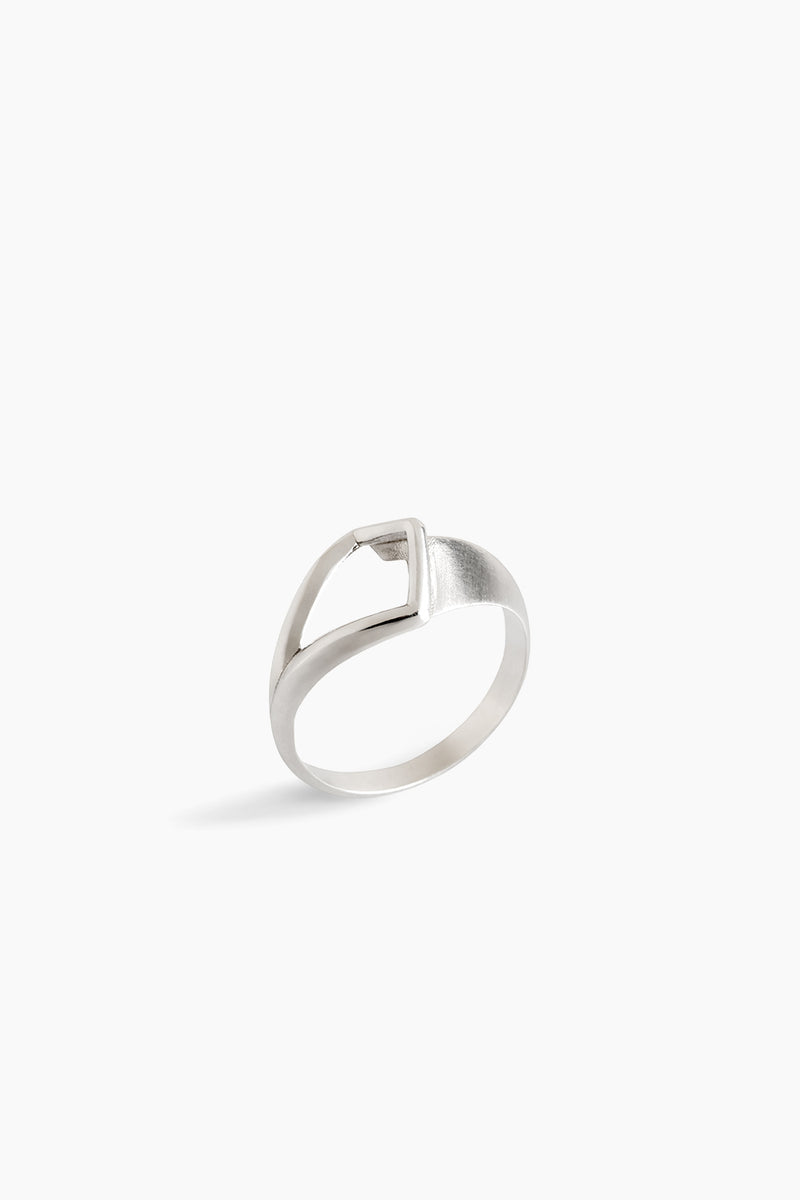
An open triangle earring creates a frame through which light passes. A ring with geometric cutouts produces shadows that shift with movement. These negative spaces give geometric jewelry its breathing room, its modern sensibility, its ability to feel bold without being heavy.
Modern Geometric Jewelry: Where We Are in 2025
The geometric jewelry trend in 2025 represents a fascinating evolution of these historical foundations. Today's designers aren't simply recreating Art Deco or Bauhaus aesthetics. They're synthesizing a century of geometric exploration into something distinctly contemporary.
Sculptural Statements
Current geometric jewelry embraces three-dimensionality more fully than ever before. Sculptural earrings feature organic curves meeting angular planes. Rings wrap around fingers in architectural spirals. Pendants emerge from chains as miniature installations. The Bubble earrings exemplify this contemporary approach, with their bold three-dimensional forms that catch light from every angle.
These pieces blur the line between jewelry and wearable art. They demand attention not through size alone but through the intelligence of their construction. The way light plays across multiple surfaces. The way movement reveals new angles and perspectives.
Abstract Jewelry Interpretations
While pure geometric shapes remain popular, 2025 also celebrates abstract jewelry interpretations of geometric principles. Imperfect circles suggest organic growth within geometric constraints. Asymmetrical arrangements create dynamic tension. Traditional shapes are stretched, layered, and reimagined.
This abstract jewelry approach allows for greater personal expression. A piece might reference geometry without being literal about it, capturing the essence of architectural thinking while remaining soft, wearable, and individual.
Silver's Resurgence
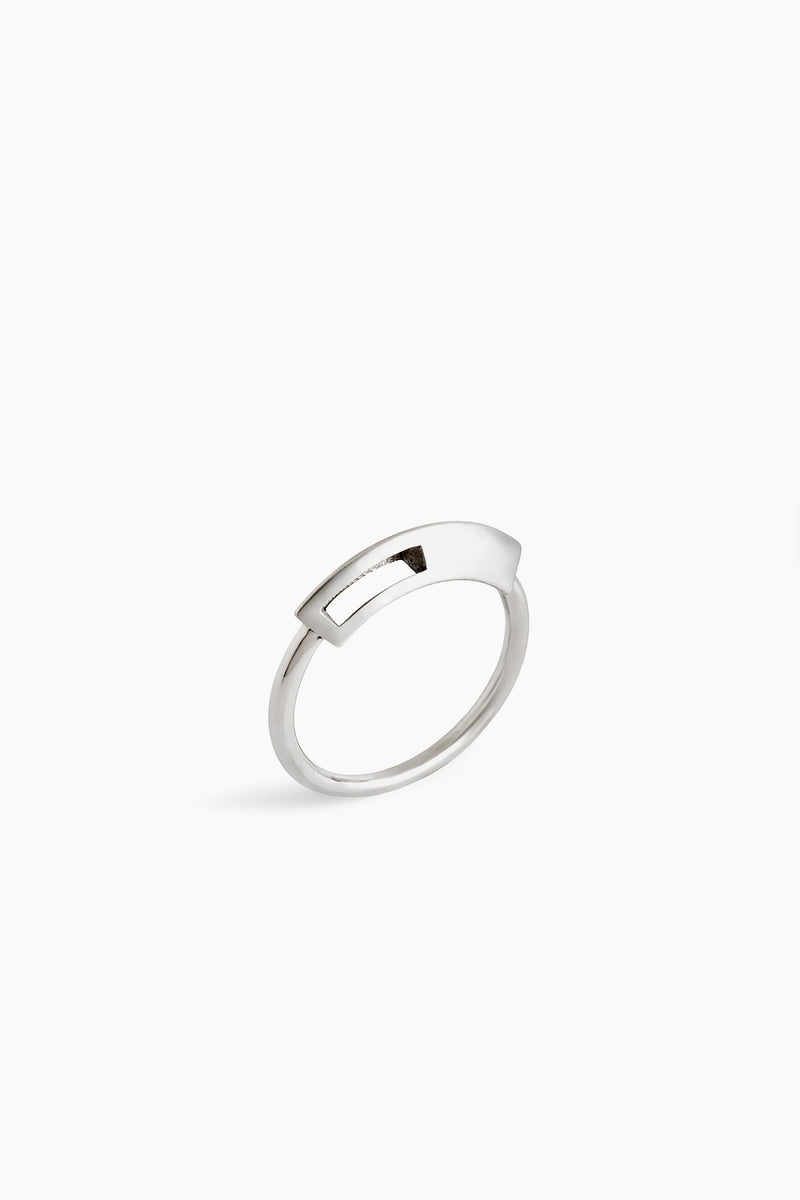
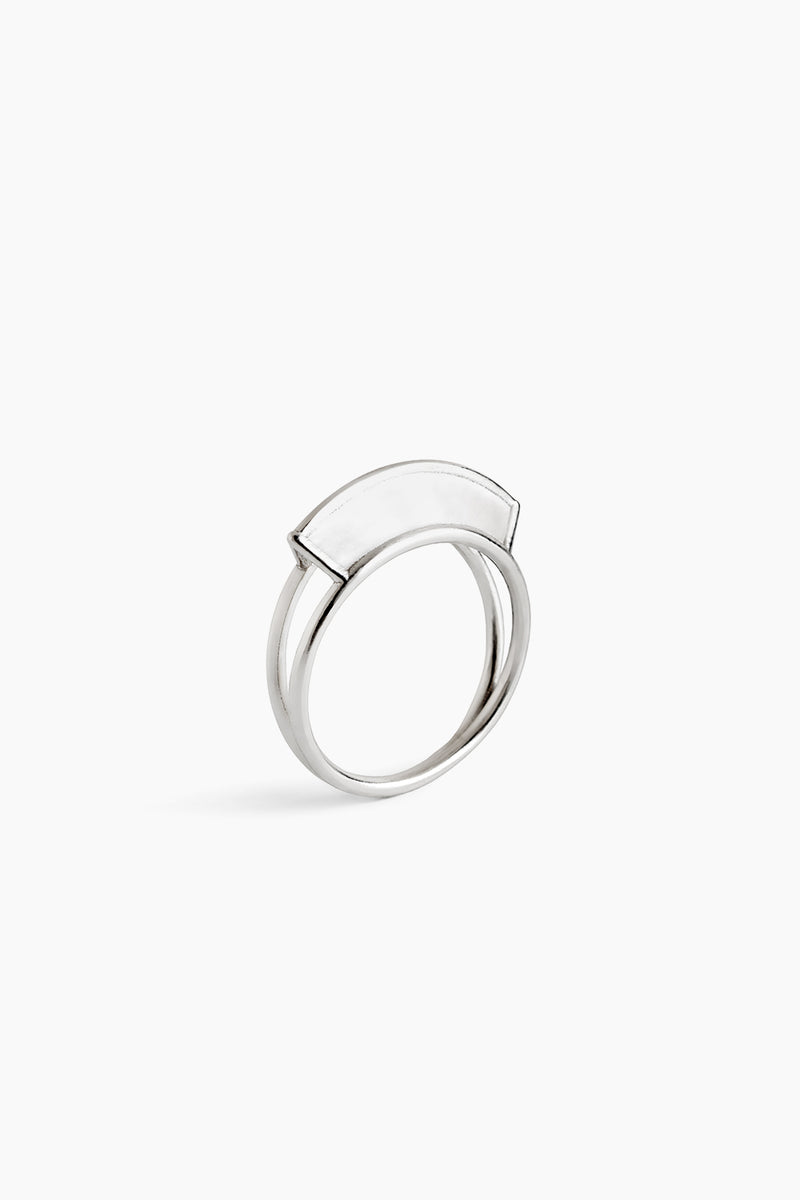
Silver has emerged as a particularly compelling medium for geometric jewelry. Its cool, reflective surface emphasizes clean lines and precise angles. Light bounces off silver's polished surface in ways that highlight geometric forms beautifully. The Glimpse ring, with its minimalist triangle openwork, demonstrates how silver elevates geometric design.
This isn't to diminish gold's enduring appeal. Warm gold tones add richness and luxury to geometric designs. But the current moment celebrates silver's ability to make geometric pieces feel modern, accessible, and versatile. To understand whether gold or silver suits your complexion better, explore our guide on gold vs silver jewelry for different skin tones.
Mixing Metals and Forms
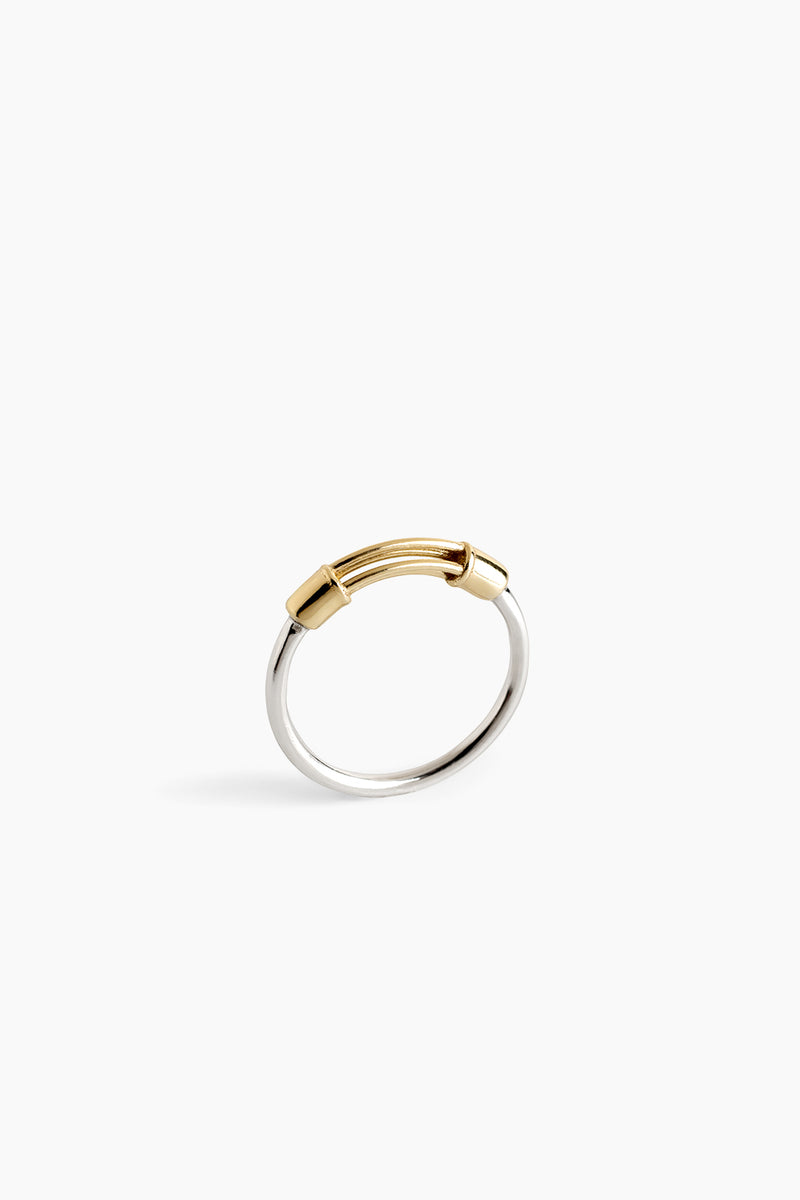
Contemporary styling embraces combination. Mixing gold and silver. Pairing geometric pieces with organic ones. Layering different shapes together. This approach reflects a broader cultural shift toward individual expression over rigid rules.
A geometric silver pendant might hang alongside a delicate gold chain. Angular earrings could be paired with a stack of rounded rings. The key is intentional contrast, letting pieces play off each other while maintaining overall harmony. For more on combining different styles, see our guide on how to layer necklaces.
How to Style Geometric Jewelry
Wearing geometric jewelry well means understanding its visual power and letting that power work for you rather than against you.
The Power of Simplicity
Geometric jewelry makes the strongest statement against simple backgrounds. A sculptural earring becomes the focal point when worn with a solid-color top and clean neckline. An architectural ring draws attention when other accessories are minimal.
This doesn't mean you can't layer or combine. It means being intentional about what you're asking the eye to process. One bold geometric piece often achieves more impact than several competing elements.
Consider Your Neckline
The relationship between geometric jewelry and clothing matters enormously. Open necklines like V-necks, scoop necks, and off-shoulder styles create space for geometric necklaces to inhabit. High necklines, conversely, make geometric earrings the natural focus.
Angular, structured clothing often pairs beautifully with geometric jewelry. There's a design conversation happening between the clean lines of a tailored blazer and the precise angles of sculptural earrings. But contrast can work equally well. Geometric jewelry against flowing, organic fabrics creates intriguing tension.
Building a Geometric Collection
Rather than acquiring geometric pieces randomly, consider building a cohesive collection that works together. Start with versatile foundational pieces. Maybe simple geometric studs and a clean pendant. Then add statement pieces that share design DNA with your basics. Our guide to building a minimalist gold jewelry collection applies the same intentional approach to curating your pieces.
Look for pieces that balance boldness with wearability. The best geometric jewelry isn't merely attention-getting; it's wearable from morning meetings to evening events, from casual weekends to special occasions.
The Art of Asymmetry
One compelling approach to geometric styling is intentional asymmetry. Pair a statement geometric earring on one ear with a smaller, simpler piece on the other. This creates visual interest and modern edge while maintaining balance through contrast rather than matching.
Geometric Jewelry as Investment
Beyond aesthetics, geometric jewelry represents particularly smart investment in several ways.
Timeless Appeal
While specific interpretations evolve, the fundamental appeal of geometric design transcends trends. Pieces from the 1920s Art Deco period remain highly desirable nearly a century later. Clean, well-designed geometric jewelry purchased today will still look relevant decades from now.
This timelessness comes from the universal nature of geometric forms. These shapes don't go out of style because they're not style-dependent. They exist outside fashion cycles.
Versatility
A well-chosen geometric piece works across countless contexts. The same sculptural earrings that elevate a business presentation can dress up weekend denim or accompany an evening dress. This versatility means more value from fewer pieces. Looking for the perfect versatile gift? See our jewelry gift guide for pieces that work for any occasion.
Craftsmanship Visibility
Geometric jewelry's clean lines mean there's nowhere for poor craftsmanship to hide. Every angle, every junction, every surface must be precisely executed. When you invest in quality geometric pieces, that quality is immediately visible and appreciated.
The Lilla Mei Approach to Geometric Design
Our design philosophy at Lilla Mei embraces a phrase we use to describe our aesthetic: sculptural, soft, modern. This seemingly paradoxical combination captures what we believe geometric jewelry can be at its best.
Sculptural speaks to our commitment to three-dimensional design thinking. Creating pieces that reward viewing from every angle. That interact with light and movement in dynamic ways.
Soft acknowledges that geometric doesn't have to mean harsh. Our curves are generous, our edges considered, our proportions scaled to complement rather than dominate. Geometric jewelry should feel as good to wear as it looks.
Modern positions our work within contemporary design conversations while drawing on the rich heritage we've discussed. We're not recreating Art Deco or imitating Bauhaus. We're participating in an ongoing dialogue about form, function, and beauty.
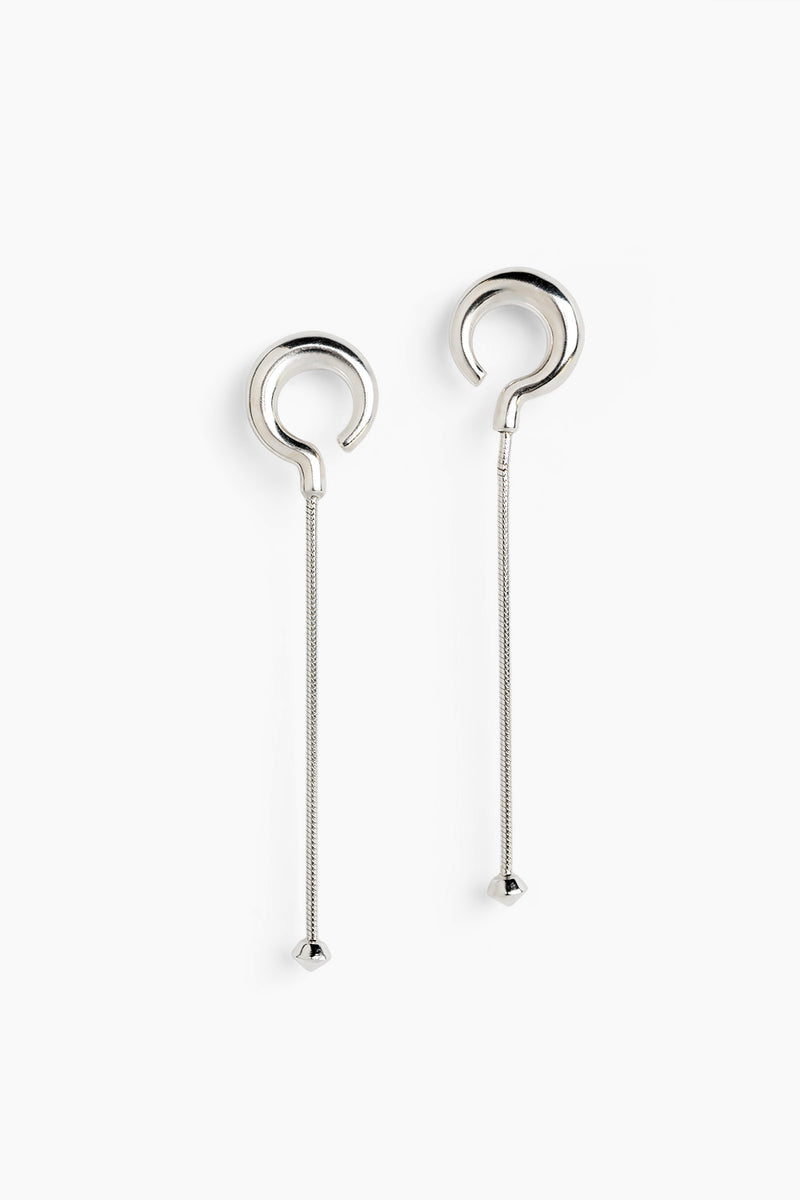
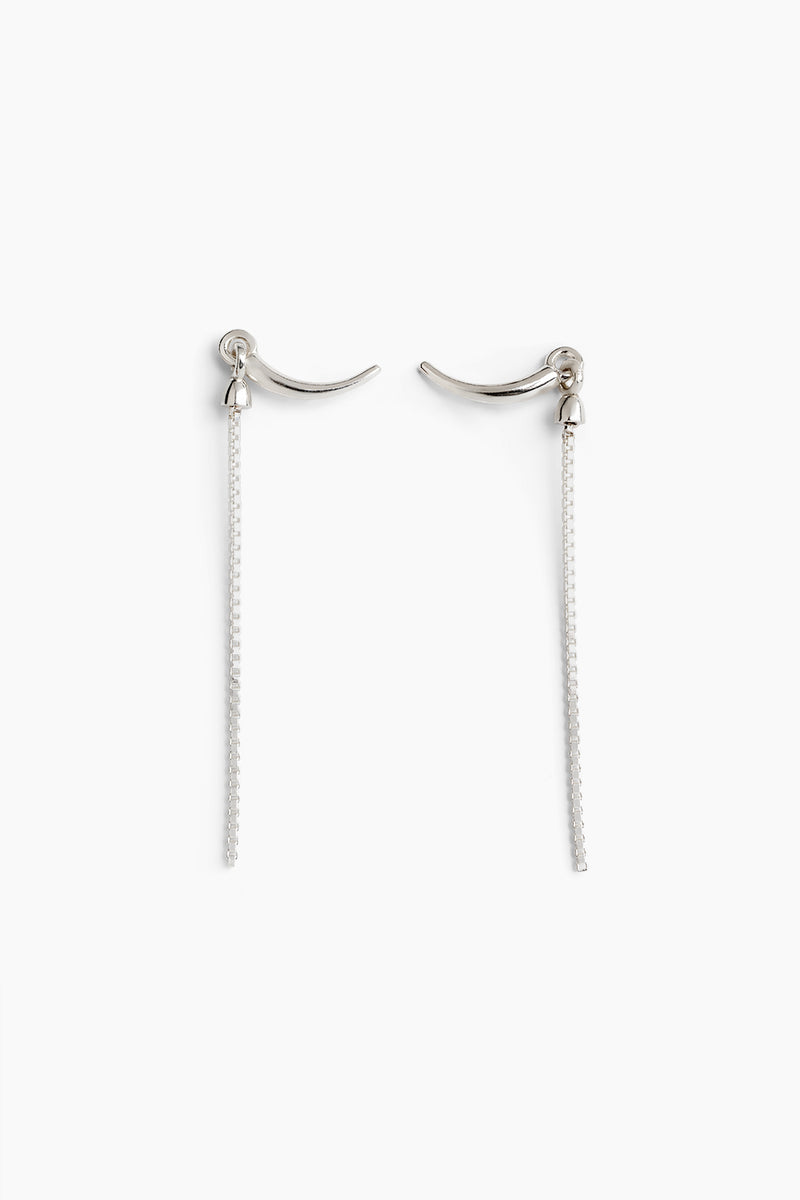
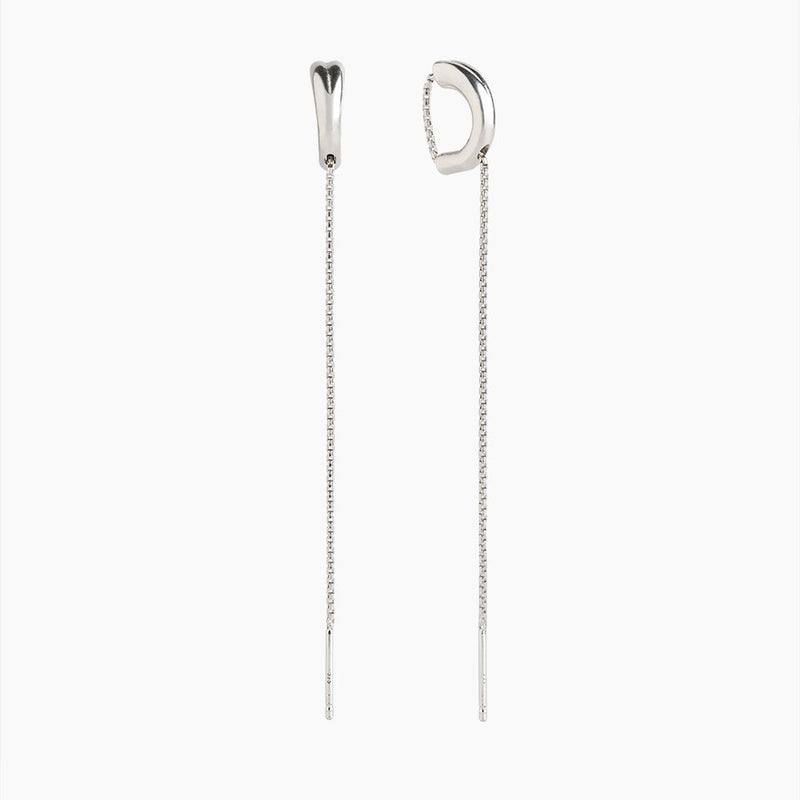
Every piece in our collection, from the architectural lines of our rings to the sculptural presence of our earrings, reflects these principles. We work in 14K gold and sterling silver, materials that reward the precision geometric design demands. We create by hand, because geometric perfection paradoxically requires the judgment and care only human hands can provide. Pieces like the Kite ring, the Amphora earrings, and the Wavelets earrings embody this design philosophy.
Finding Your Geometric Style
Ultimately, geometric jewelry is personal. The shapes and forms that speak to you reveal something about your aesthetic sensibility, your relationship with design, your way of moving through the world.
Some people are drawn to pure geometric jewelry: circles, squares, triangles in their essential forms. Others prefer abstract jewelry versions, where geometric principles inform rather than dictate. Some want bold statement pieces; others seek subtle geometric accents.
All of these approaches are valid. The key is choosing pieces that resonate with you specifically, that you'll reach for again and again, that become part of your personal aesthetic vocabulary. For a comprehensive look at what's shaping the aesthetic right now, explore our guide to jewelry trends 2025.
A Continuing Story
The history of geometric jewelry isn't finished. It's being written now, in studios and workshops around the world, in the choices of designers and the preferences of those who wear their work.
Each person who chooses a geometric piece becomes part of this ongoing story. You connect yourself to the artisans of ancient Egypt, to the visionaries of Art Deco Paris, to the functionalist philosophers of the Bauhaus, to contemporary designers pushing the boundaries of form.
This is the power of design with history. It grounds us in something larger than the moment while allowing full contemporary expression. A geometric earring is never just a geometric earring. It's a statement about the enduring human appreciation for form, precision, and beauty.
As we move through 2025 and beyond, geometric jewelry will continue evolving. New materials, new technologies, new cultural conversations will shape its development. But the fundamental appeal, the satisfaction of a perfectly balanced form, the elegance of mathematical beauty translated into wearable art, will endure.
That's what makes geometric jewelry not just a trend but a tradition worth continuing.