

Gold vs Silver Jewelry: Which Metal Suits Your Skin Tone?
Every jewelry lover knows that moment: standing in front of a mirror, holding a piece of gold in one hand and silver in the other, trying to figure out which one looks better against your skin. This question of gold vs silver jewelry isn't just about what you like. It's about understanding the subtle science of how metals interact with your natural coloring to create harmony or clash.
Here's the good news: once you figure out your skin's undertone, choosing between gold and silver becomes intuitive instead of a guessing game. And something that might surprise you: in 2025, the old rules about sticking to one metal have pretty much disappeared. Mixing gold and silver is now seen as a sophisticated styling choice, one of many jewelry trends shaping 2025. But before you start artfully breaking the rules, it helps to understand what traditionally makes each metal work with certain skin tones.
Let's look at how to identify your undertone, which metals will naturally flatter you most, and how to wear jewelry confidently no matter which side of the gold-silver divide you fall on.
Gold vs Silver Jewelry: Understanding Skin Tone and Undertone
Before we get into metal recommendations, let's clear up a common confusion. Your skin tone is the surface color of your skin, the shade that makeup brands use to categorize foundations: fair, light, medium, olive, tan, or deep. This surface color changes with sun exposure, seasonal shifts, and even how you're feeling health-wise.
Your undertone, on the other hand, is the subtle hue beneath your skin's surface that stays constant throughout your life. No matter how much you tan or how pale you get in winter, your undertone remains the same. Think of it as the permanent backdrop against which your surface color plays.
Undertones fall into three main categories:
Warm undertones feature golden, yellow, peachy, or olive hues beneath the surface. If you have warm undertones, your skin tends to have a sun-kissed quality even without a tan.
Cool undertones show pink, red, or bluish tones beneath the surface. Cool-toned skin often has a porcelain or rosy quality to it.
Neutral undertones blend both warm and cool characteristics, creating a balanced, often beige-toned base that doesn't lean strongly either way.
Figuring out which category you fall into is the key to selecting jewelry for skin tone that actually enhances your natural beauty rather than competing with it.
Five Simple Tests to Determine Your Undertone
The nice thing about undertone analysis is that you don't need a professional to figure it out. Several simple tests, done at home with things you already have, can reveal your undertone pretty accurately. For the most reliable results, try a few different tests and look for patterns.
The Vein Test
This classic undertone jewelry guide method only requires natural light and your own wrist. Turn your arm so your inner wrist faces up and look at the veins there. The color of these veins gives you immediate insight into your undertone.
If your veins look greenish, you probably have warm undertones. The warm pigments in your skin interact with the blue of your veins to create this green appearance.
If your veins look blue or purple, cool undertones are likely at play. The pink and red in cool skin lets the veins' true blue color show through.
If your veins seem to be a mix of both green and blue, or if you honestly can't tell which color is stronger, neutral undertones are your likely category.
The White Paper Test
For this one, hold a plain white sheet of paper next to your face in natural daylight, ideally near a window but not in direct sun. See how your skin looks against the stark white background.
If your skin takes on a golden or yellowish cast next to the paper, warm undertones are indicated. Cool-toned people will notice their skin looks pink, rosy, or slightly bluish against the white. Those with neutral undertones usually see neither a strong yellow nor pink cast, or might notice a perfectly balanced mix.
The White Versus Cream Test
This variation uses clothing instead. Find two similar items: one in pure, bright white and another in off-white or cream. Without makeup, hold each against your face or drape it over your shoulders.
If the pure white makes your skin glow and look healthy, you probably have cool undertones. If the cream or off-white is more flattering and the bright white seems to wash you out, warm undertones are likely. When both shades look equally good, neutral undertones are probably the answer.
The Sun Exposure Test
How your skin reacts to sun can reveal undertone information too. This test just requires honest reflection about your skin's typical sun behavior.
If you tend to tan easily and rarely burn, warm undertones are common. If you burn quickly before developing any tan, or if you turn pink rather than golden, cool undertones are suggested. If you burn first but then develop a tan, or if you seem to get a mix of both reactions, you might have neutral undertones.
Another warm-undertone indicator: getting freckles after sun exposure.
The Jewelry Test
Maybe the most directly useful test for choosing jewelry metal involves the jewelry itself. If you have pieces in both gold and silver, put them on and see which makes your skin look more radiant.
When gold jewelry makes your skin look warmer and more alive, warm undertones are likely. When silver jewelry brings out a healthy glow and your skin looks clearer, cool undertones are suggested. If both metals look equally flattering and you really can't pick a favorite, congrats: you have the versatility of neutral undertones.
For the most accurate results, do this test in natural light and look at the jewelry against bare, makeup-free skin.
Gold Jewelry: The Natural Choice for Warm Undertones
Gold jewelry has a natural richness and warmth that pairs beautifully with warm undertones. If your skin has golden, peachy, or olive hues, gold will enhance your natural radiance rather than fighting with it.
Why Gold Works for Warm Skin
The science is pretty straightforward: warm metals complement warm skin by creating harmony through similar color temperatures. When you put gold against warm-toned skin, the metal seems to extend and amplify the golden qualities already in your complexion. The result is skin that looks luminous, healthy, and radiant.
Types of Gold to Consider
Yellow gold is the most classic warm-toned option. Its rich, sunny color looks particularly stunning against olive and medium-to-deep warm skin tones. Yellow gold pairs beautifully with gemstones in warm hues like citrine, amber, and yellow sapphire, but also creates nice contrast with cooler stones.
Rose gold blends yellow gold with copper for its distinctive blush hue. This metal flatters warm undertones while adding a romantic, contemporary feel. The pink undertones in rose gold give it remarkable versatility, making it one of the most universally flattering options out there.
Styling Gold for Maximum Impact
On darker skin tones with warm undertones, gold really shines in bolder statement pieces. Chunky hoops, layered chains, and sculptural cuffs create stunning visual impact. The key is embracing gold's inherent warmth and letting it play against the richness of your natural coloring.
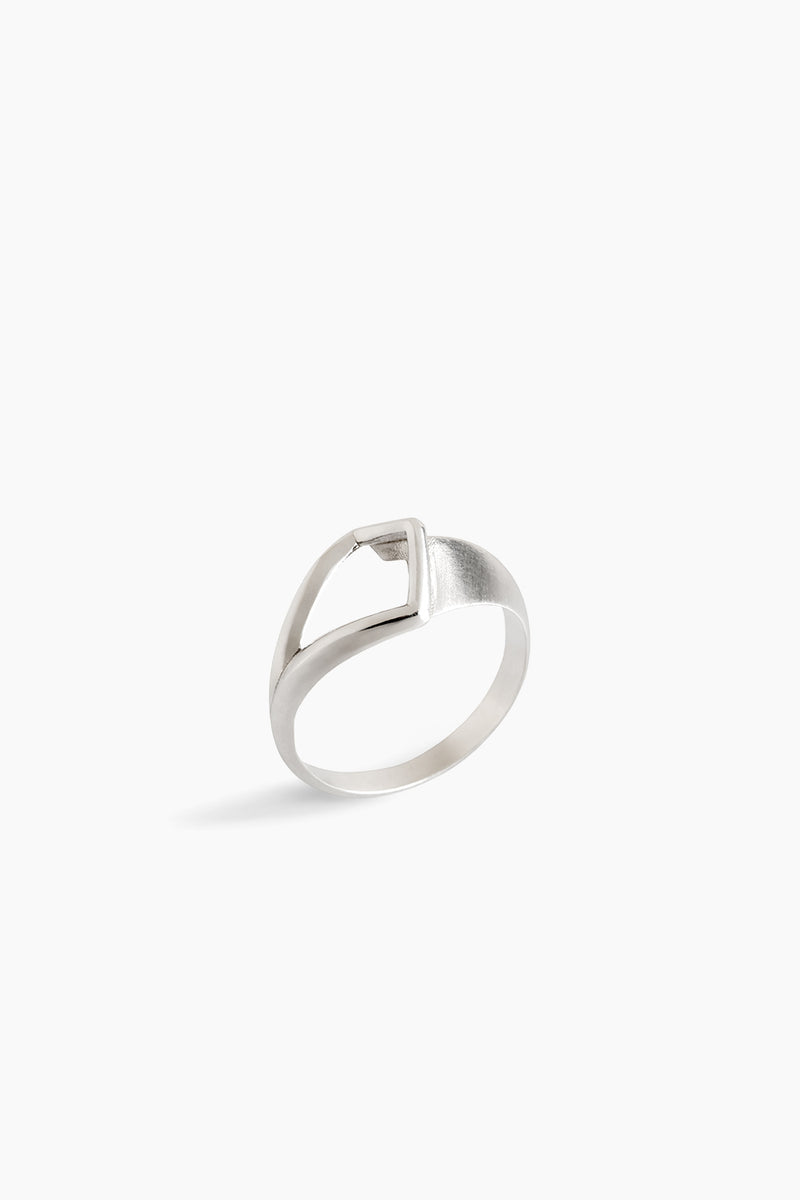
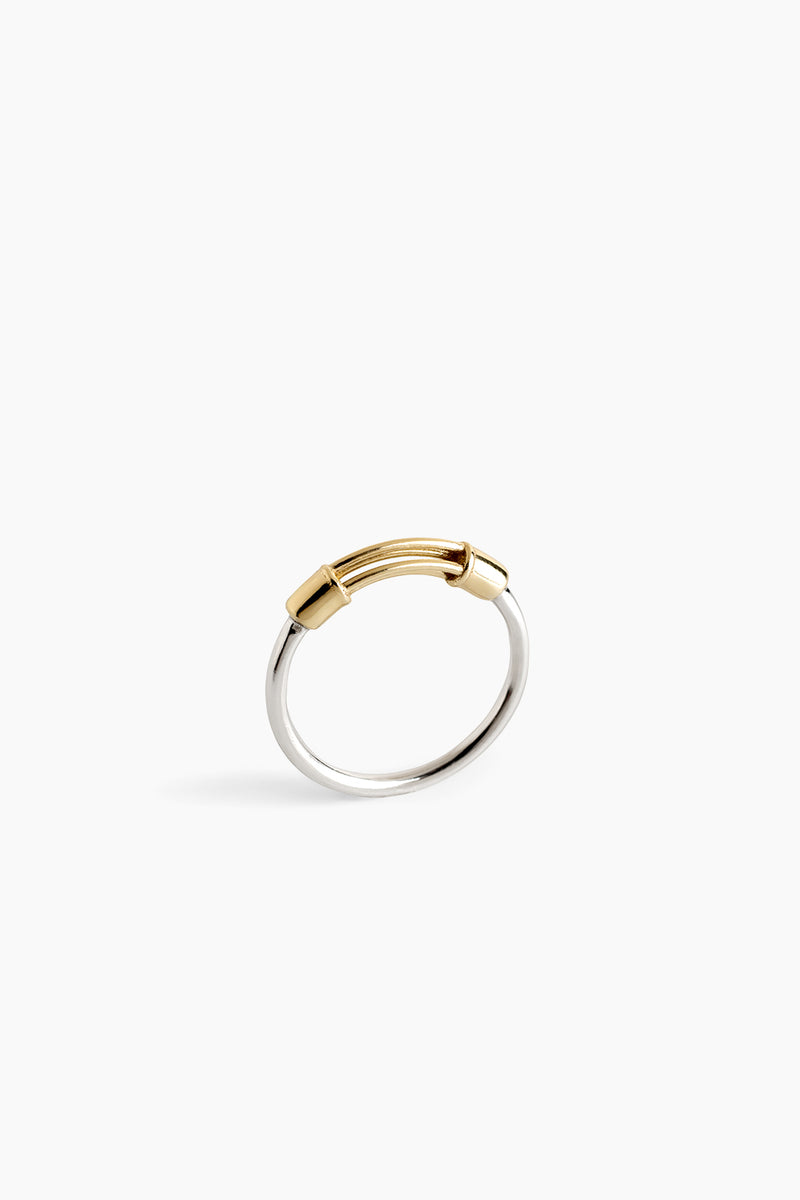
For lighter skin with warm undertones, delicate gold pieces can add subtle warmth without overwhelming. Think fine chain necklaces, minimal stacking rings, or small gold studs for everyday elegance. Geometric pieces like the Kite ring in 14K gold offer clean lines that complement warm undertones beautifully.
Silver Jewelry: The Perfect Complement for Cool Undertones
Silver jewelry, along with white gold and platinum, has an icy sheen that pairs naturally with cool undertones. If your skin has pink, red, or bluish undertones, these cool metals will complement rather than clash with your natural coloring.
Why Silver Works for Cool Skin
Cool metals and cool skin create what color theorists call a harmonious relationship. The white or slightly bluish cast of silver echoes the cool pigments in your skin, creating a cohesive, polished look. Rather than adding warmth that might fight with your natural coloring, silver enhances the elegant coolness that's already there.
Types of Cool Metals to Consider
Sterling silver is the classic cool-metal choice, offering versatility and accessibility. Its bright, reflective quality pairs especially well with fair skin and light eyes. Sterling silver also shows off blue-toned gemstones like sapphire, aquamarine, and blue topaz beautifully. To keep your silver pieces looking their best, learn the essentials in our guide on preventing sterling silver tarnish.
White gold offers the prestige of gold with the cool tones that flatter cool undertones. Its subtle warmth beneath the cool surface makes it a bit more versatile than pure silver while keeping that essential cool-metal harmony.
Platinum is the ultimate in cool-metal luxury. Its naturally white color won't fade or need replating, making it a solid investment for cool-toned people who prefer minimal maintenance.
Styling Silver for Maximum Impact
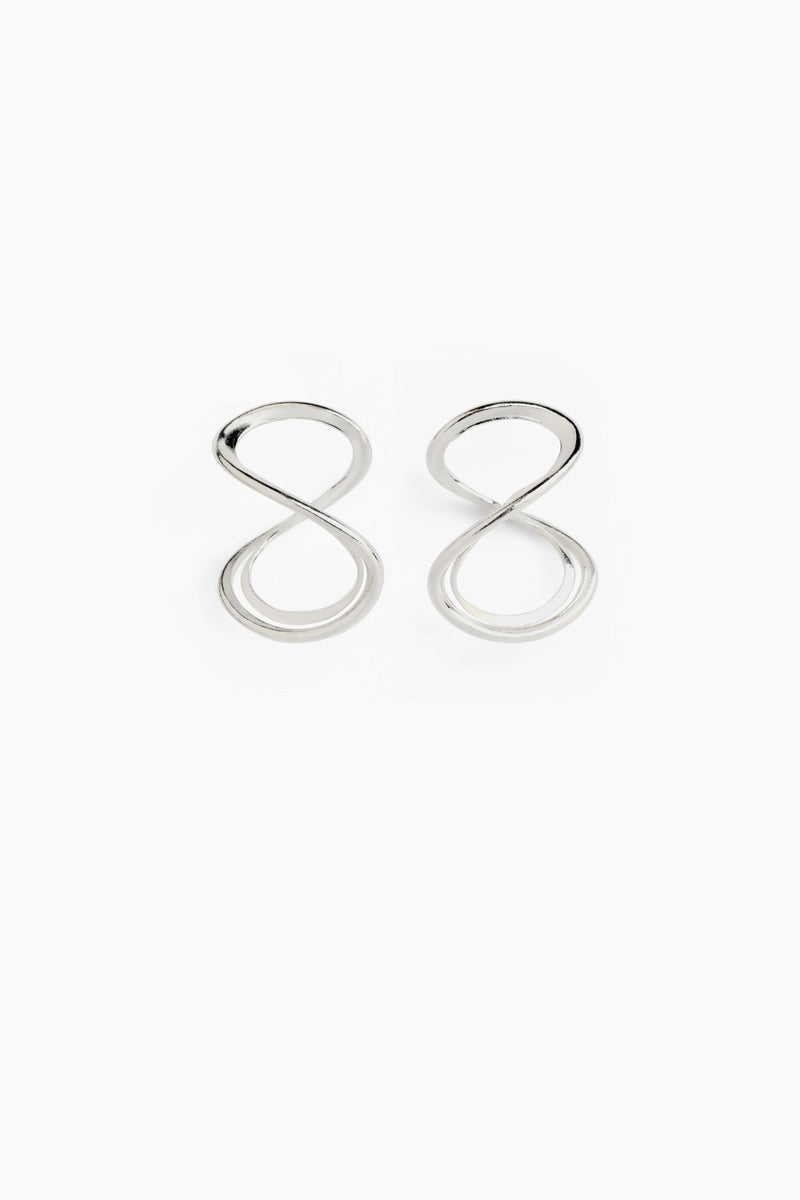
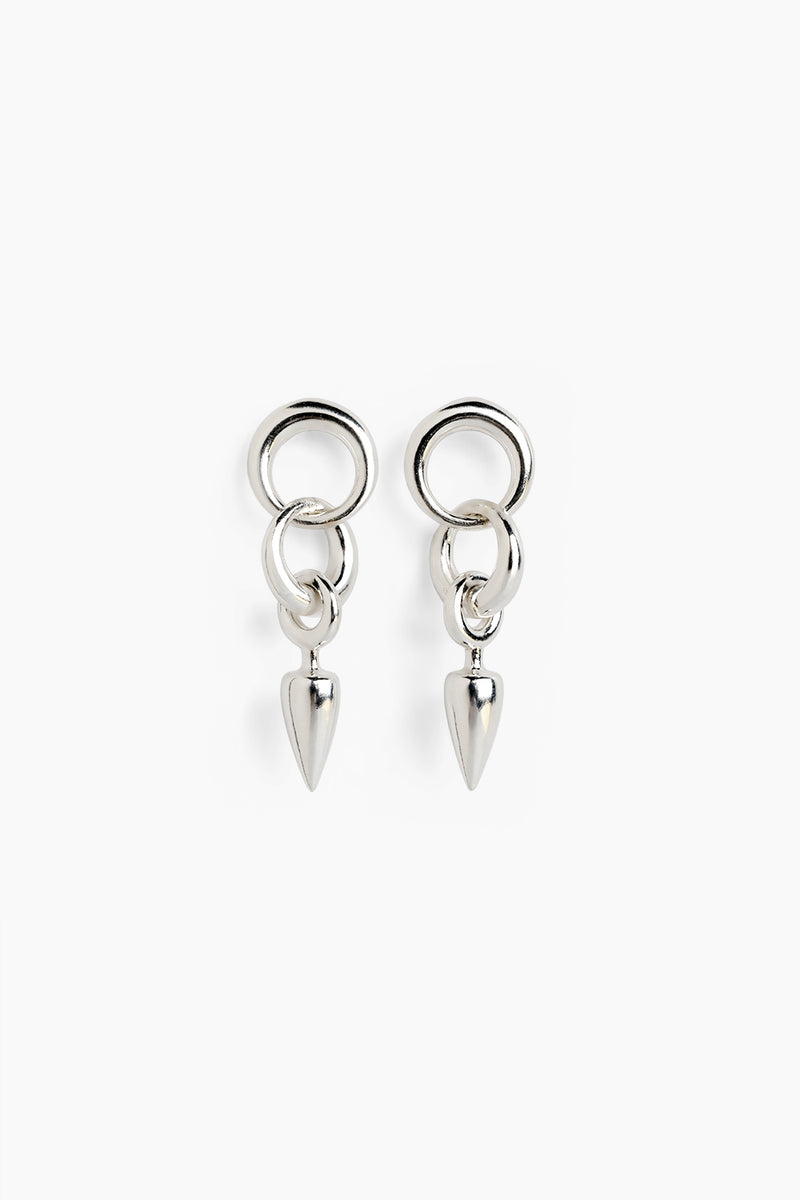
Cool undertones paired with fair skin often look striking in delicate silver pieces that catch the light. Minimalist designs, geometric shapes, and sculptural forms in silver create modern elegance without overwhelming. The Balance earrings in sterling silver offer exactly this kind of understated sophistication.
Those with deeper skin tones and cool undertones can go for bold silver statement pieces. The contrast between cool metal and rich skin creates particularly dramatic, eye-catching effects.
Neutral Undertones: The Versatility Advantage
If the undertone tests left you unsure, or if you consistently see a mix of warm and cool indicators, neutral undertones might be your blessing. This category gives you the most flexibility in jewelry for skin tone selection.
Both Metals Work for You
Neutral undertones mean both gold and silver complement your skin. Rather than one metal clearly winning, you can choose based on personal preference, outfit, or mood. Many people with neutral undertones find that certain pieces speak to them regardless of metal, and they build collections featuring both.
Rose Gold: The Neutral's Best Friend
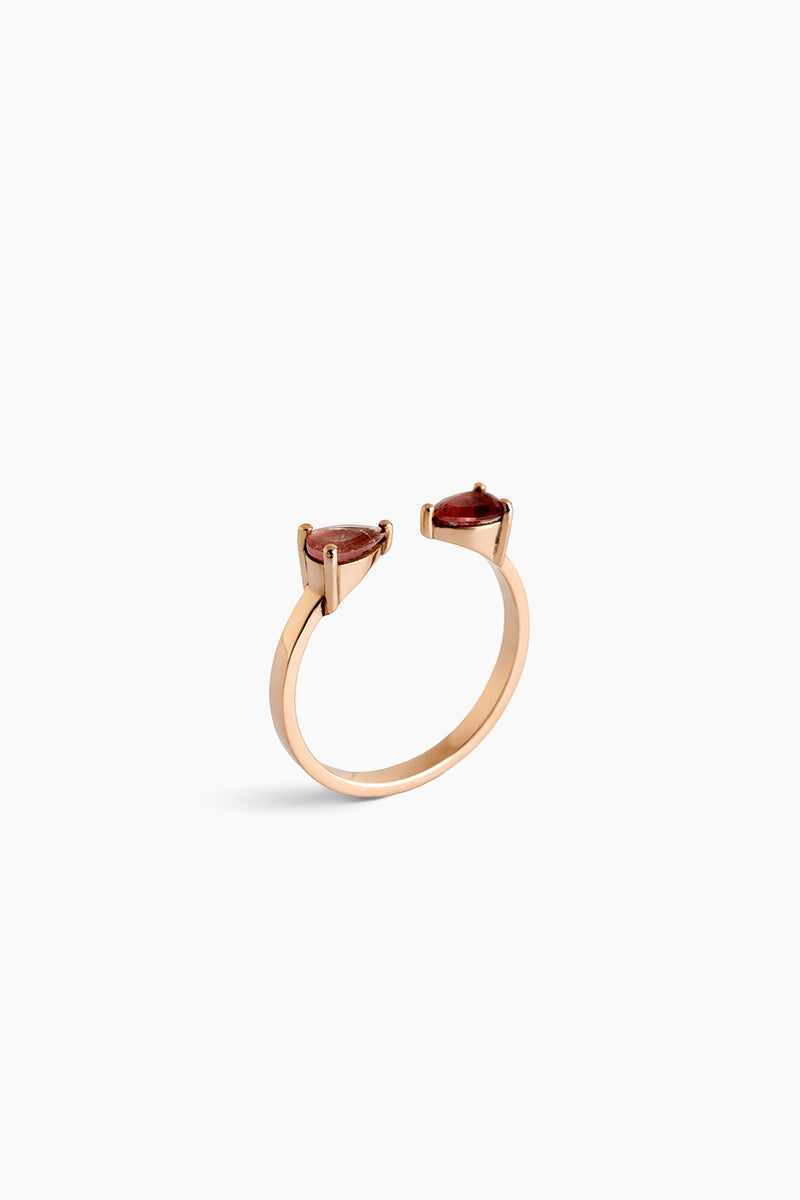
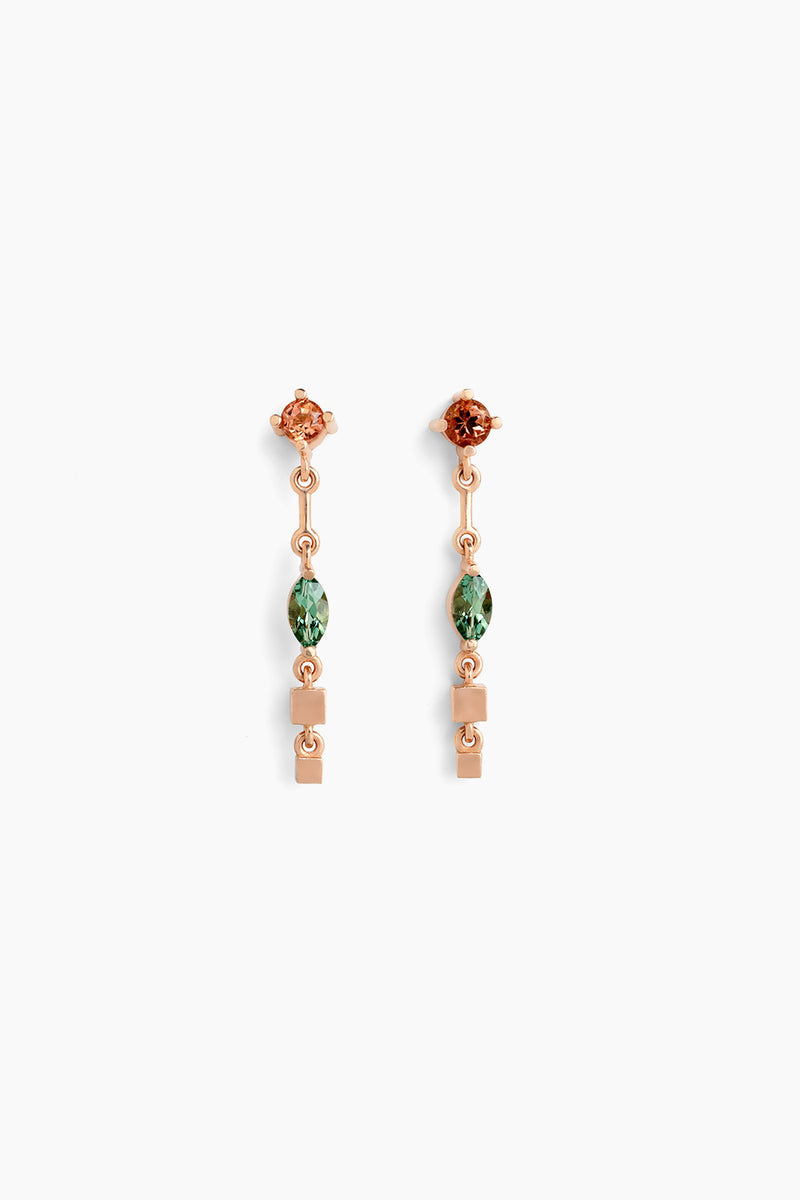
Rose gold deserves special mention for neutral undertones. Because this metal mixes warm yellow gold with cool-leaning copper, it naturally bridges the warm-cool divide. Rose gold's soft pink hue works with pretty much every skin tone but particularly shines on neutral undertones, where it reads as neither too warm nor too cool. The Astrid ring in 14K rose gold with pear-shaped tourmaline exemplifies this flattering quality.
Embrace the Mix
If you have neutral undertones, mixing metals feels especially natural. Two-tone designs, layered pieces in different metals, and intentional contrast become part of your styling vocabulary without any sense of rule-breaking.
The 2025 Trend: Mixing Metals with Confidence
Here's the freeing truth about warm vs cool tones and metal selection in 2025: the old ban on mixing gold and silver has completely gone away. What used to be considered a fashion faux pas is now celebrated as sophisticated styling.
Why Metal Mixing Works
Mixing metals creates visual depth and allows for more versatile styling. It means you can wear all your favorite pieces together regardless of metal, opening up creative possibilities that single-metal styling can't match.
The key to successful metal mixing is intentionality. Random combinations can look chaotic, but thoughtful mixing looks curated and fashion-forward.
Tips for Mixing Metals Successfully
Choose a dominant metal. Anchor your look with one primary metal, whether gold or silver, then accent with touches of the other. This creates hierarchy and prevents visual confusion.
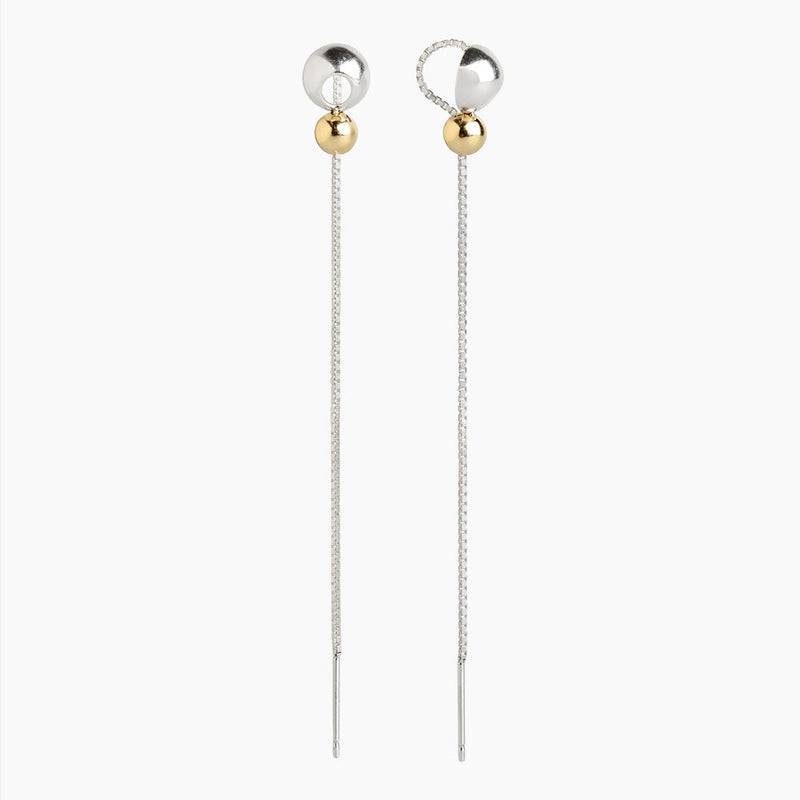
Use bridge pieces. Look for jewelry that already has multiple metals in a single design. A necklace with both gold and silver links, or a ring with two-toned bands, naturally connects separate pieces in your look.
Keep style consistent. Even when mixing metals, keep textures and aesthetics similar. Mixing delicate gold chains with delicate silver chains looks intentional. Mixing chunky gold bangles with fine silver chains might feel disjointed.
Layer thoughtfully. Stacking rings in alternating metals, layering necklaces of different metallic tones, or wearing mismatched earrings in gold and silver all create intentional mixed-metal statements.
Follow the rule of two to three. Keeping your metal mix to two or at most three different metals prevents visual chaos while still allowing creative expression.
Specific Recommendations by Skin Tone Category
To make your choosing jewelry metal journey even easier, here are specific recommendations based on common skin tone and undertone combinations.
Fair Skin with Warm Undertones
Your skin has a peachy or golden quality despite its lightness. Yellow gold and rose gold will add warmth and create a healthy glow. Delicate gold pieces work beautifully for everyday wear, while bolder gold statements create perfect evening impact.
Fair Skin with Cool Undertones
Your porcelain or rosy complexion pairs naturally with silver, white gold, and platinum. These metals enhance your natural luminosity without adding competing warmth. Be cautious with rose gold, as its pink tones might emphasize any redness in very fair, cool-toned skin.
Medium Skin with Warm Undertones
Your golden or olive complexion makes yellow gold a natural partner, seeming to extend your skin's inherent warmth. Rose gold also works beautifully. Both chunky statement pieces and delicate layering options will enhance your coloring. When investing in gold, understanding the difference between 14K gold vs gold plated ensures your pieces maintain their beauty.
Medium Skin with Cool Undertones
Your neutral-to-pinkish medium tone works nicely with silver and white gold. These cool metals create polish and sophistication against your complexion. Rose gold is an excellent alternative when you want warmth without going to full yellow gold.
Deep Skin with Warm Undertones
Your rich, warm complexion creates stunning contrast with bold gold jewelry. Statement hoops, layered chains, and sculptural pieces in yellow gold look particularly striking. The Amphora earrings with their three-link dangle design make exactly this kind of impact. Rose gold offers a softer alternative that still honors your warm undertones.
Deep Skin with Cool Undertones
Your deep complexion with cool undertones shines against silver, white gold, and platinum. The contrast between cool metal and rich skin creates dramatic, eye-catching effects. Don't shy away from bold silver statement pieces that highlight this beautiful interplay.
Beyond Traditional Metals: Rose Gold as the Universal Option
Rose gold deserves its own section because of its remarkable versatility. This metal, which mixes yellow gold with copper, creates a warm pink hue that complements virtually every skin tone and undertone combination.
Why Rose Gold Works for Almost Everyone
The copper in rose gold gives it a gentle warmth that flatters warm undertones, while its pink cast resonates with cool undertones. This dual nature makes rose gold one of the most universally flattering metal choices available.
On deep skin tones, rose gold creates stunning contrast that highlights both the jewelry and the wearer's natural beauty. On fair skin with warm undertones, it adds subtle warmth and romance. On neutral undertones, it reads as perfectly balanced.
The One Exception
Those with very fair skin and strong pink or red undertones should approach rose gold carefully. Because rose gold echoes pink tones, it might emphasize rather than balance natural redness. In this case, yellow gold or silver usually offers more flattering results.
Eye Color and Hair Color: Additional Guidance
While skin undertone remains the main consideration for choosing jewelry metal, your eyes and hair can provide extra guidance for creating cohesive, flattering looks.
Eye Color Considerations
Blue and gray eyes often look particularly striking against silver jewelry. The cool tones of the metal echo the cool tones in the iris, creating visual harmony.
Brown, hazel, and amber eyes tend to glow next to gold jewelry. The warm metal highlights the warm flecks often present in these eye colors.
Green eyes can go either way, but many find gold creates particular warmth and draws attention to the green. Silver can also work beautifully with green eyes, especially those with gray or blue undertones.
Hair Color Considerations
Natural hair color often correlates with undertone, giving you additional confirmation of which metals will flatter you most.
Golden blonde, red, auburn, and warm brown hair typically indicate warm undertones, pointing toward gold jewelry. Ash blonde, gray, white, and cool brown hair often signal cool undertones, suggesting silver metals. Black hair can work with either, depending on the underlying skin undertone.
Building a Versatile Jewelry Collection
Armed with knowledge about which metals flatter you most, you can build a jewelry collection that serves you well across occasions and outfits.
Start with Your Dominant Metal
Begin your collection with pieces in the metal that most naturally complements your undertone. These foundational pieces will form the backbone of your everyday jewelry wardrobe: simple studs, a delicate chain necklace, and one or two rings you can wear daily. Our guide to building a minimalist gold jewelry collection offers a framework for this approach.
Add Statement Pieces
Once your basics are covered, invest in a few statement pieces in your dominant metal. These might include sculptural earrings, a bold cuff, or an eye-catching cocktail ring for special occasions.
Incorporate Your Secondary Metal
Even if gold is your primary metal, having a few silver pieces offers versatility for specific outfits or moods. Similarly, those who favor silver benefit from select gold pieces that can add warmth when you want it.
Explore Mixed-Metal Designs
Look for pieces that already incorporate both metals, serving as natural bridges in your collection. These versatile items work with everything and embody the contemporary approach to metal mixing.
The Most Important Rule: Personal Preference Matters
While understanding undertones provides valuable guidance for choosing jewelry metal, how a piece makes you feel matters most. Jewelry is personal adornment, meant to express your style and bring you joy.
If you have warm undertones but a silver necklace speaks to your soul, wear it confidently. If cool undertones define your coloring but you've always loved gold, that preference is just as valid. The undertone framework offers suggestions, not strict rules.
Many of the most stylish jewelry wearers understand their undertones but also know when to break the guidelines for effect or personal expression. A cool-toned person wearing a warm gold statement piece creates intentional contrast. A warm-toned individual in silver sends a modern, fashion-forward message.
Conclusion: Finding Your Perfect Metal Match
The question of gold vs silver jewelry ultimately comes down to understanding your natural coloring and using that knowledge as a foundation for personal expression. Warm undertones naturally harmonize with gold's sunny warmth. Cool undertones find their complement in silver's icy elegance. Neutral undertones get the freedom of both.
But perhaps the most valuable insight for 2025 is this: the old rules have relaxed. Mixing metals is celebrated, personal preference matters as much as undertone science, and the best jewelry is simply jewelry that makes you feel beautiful when you wear it.
Take time to do the undertone tests, observe which metals make your skin look most radiant, and use those insights as starting points rather than limitations. Build a collection that serves your practical needs while also including pieces that bring you joy regardless of metal. Try mixing metals intentionally, creating sophisticated combinations that would have seemed rule-breaking a generation ago.
Your perfect metal match isn't just about warm vs cool tones. It's about understanding those factors and then making confident choices that express who you are. And that expression, in the end, is what beautiful jewelry is really all about.