

How to Stack Rings: A Complete Styling Guide for 2025
There's something pretty captivating about a well-put-together ring stack. It says something about intention and personal style, about understanding how jewelry can change the whole presence of your hands. Unlike other jewelry styling, ring stacking gives you what feels like an unlimited canvas for creativity. Each finger becomes a chance to tell a story through metal and texture and form.
Learning how to stack rings goes beyond just piling bands onto your fingers. You need some sense of proportion, an eye for balance, and the confidence to try combinations that feel genuinely yours. Whether you lean toward sculptural statement pieces or prefer delicate bands, getting ring stacking right will elevate your everyday style and give you a real tool for expressing yourself. This stacking philosophy extends to other jewelry too—if you enjoy creating curated looks, you might also explore how to layer necklaces for a complete styled effect.
In this guide, we'll go through everything from basic principles of visual balance to the finer points of mixing metals, a defining trend of 2025 that's freed jewelry lovers from having to match everything perfectly.
How to Stack Rings: What Makes a Ring Stack Actually Work
Before getting into specific techniques, it helps to understand what makes a ring stack look good. The best stacks share something: they look both intentional and effortless at the same time. That sounds like a contradiction, but it's really the goal. You want arrangements that seem carefully thought out without appearing rigid or overthought.
Think of your ring stack as a curated collection rather than a random pile. Each piece should have a reason for being there. Maybe it adds contrast, complements a focal ring, fills a visual gap, or brings in an interesting texture. This doesn't mean every stack needs elaborate planning. Some of the best combinations come from just playing around. But having a framework helps, especially when you're building your collection or trying to figure out why a stack doesn't feel quite right.
Good ring stacking ideas also think about negative space, the bare skin you can see between and around your rings. Leaving one or more fingers bare creates visual breathing room and makes everything feel more intentional. A hand completely covered in rings can overwhelm the eye and make individual pieces less impactful. Sometimes holding back a little is what takes a stack from busy to beautiful.
Which Fingers Work Best for What
Understanding which fingers suit different types of stacks makes a real difference. Each finger has its own opportunities and things to consider.
The Middle Finger: Your Main Canvas
The middle finger often works best for your tallest or most prominent stack. Its central position and length make it a natural focal point, and it handles multiple rings without looking crowded. If you have a bold sculptural ring or statement piece you want to show off, the middle finger usually gives it the best platform.
The Ring Finger: Meaningful and Flexible
For a lot of people, the ring finger carries significance through engagement or wedding rings. If you have something meaningful there, think about building your stack around it with bands that enhance rather than compete. The ring finger works well for medium-height stacks and pairs nicely with stacking on neighboring fingers.
The Index Finger: Statement Territory
The index finger draws attention naturally and works really well for statement stacks or a single bold piece. Geometric and sculptural rings often look great here because of how visible it is during everyday gestures. If you prefer something more understated, even a simple two-ring stack on this finger creates noticeable impact.
The Pinky and Thumb: Accent Options
While people often skip these for stacking, the pinky can create interesting accent stacks with two or three thin bands. The thumb offers unconventional possibilities if you like unexpected placements. These fingers work particularly well with delicate, sculptural pieces that might get lost on larger fingers.
Creating a Triangle Across Your Hand
One really effective technique for multi-finger stacking is creating a triangle formation across your hand. Picture varying stack heights that form a triangular pattern, maybe a taller stack on your middle finger with shorter ones on the ring and index fingers. This creates dynamic visual interest while keeping things balanced overall.
The key is avoiding the same height on adjacent fingers. Stacking on your index and ring fingers with a gap between, for instance, looks deliberate and creates sophisticated asymmetry. If you stack on one finger, limiting yourself to one additional ring on that same hand often produces cleaner results than spreading rings evenly everywhere.
Width and Thickness: The Foundation
Understanding ring proportions is essential for stacks that look cohesive and feel comfortable. Different widths do different things and create different visual effects.
Width Categories
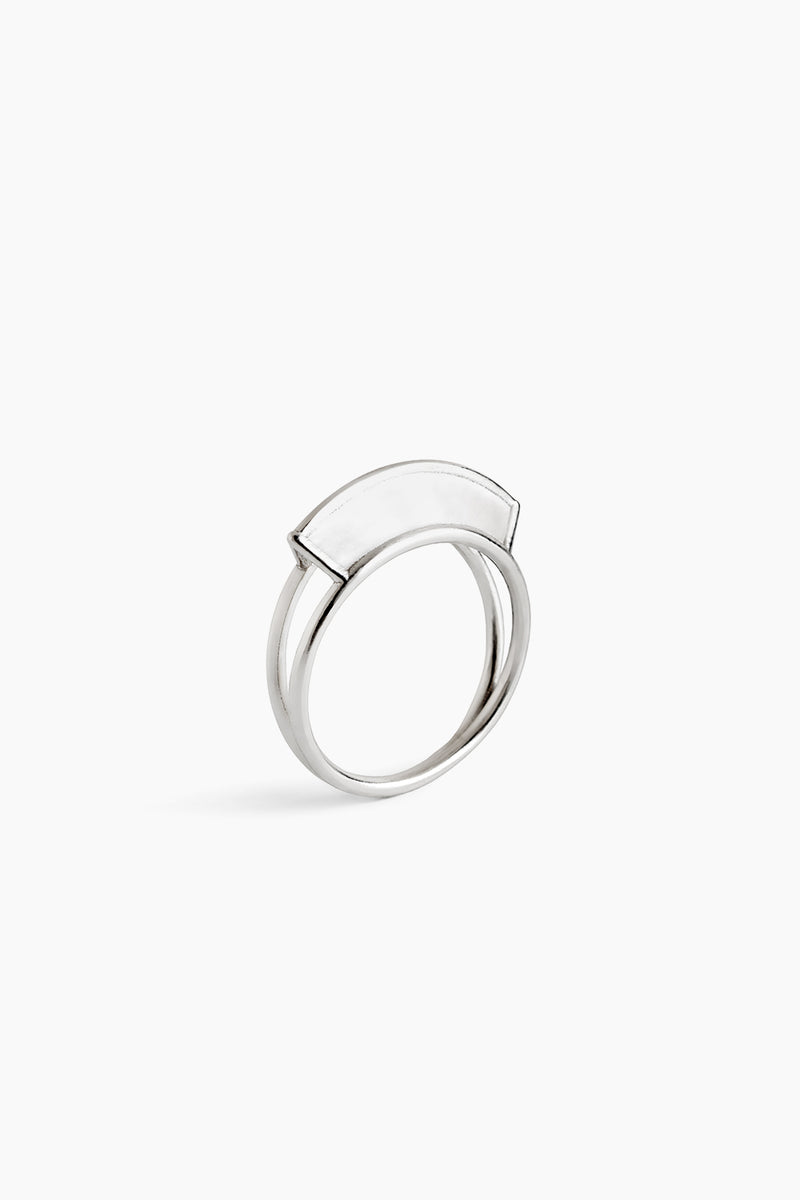
Narrow bands (1-2mm) give you elegance and minimalism. These delicate rings build height without adding bulk. They can make fingers look more slender and feel comfortable for all-day wear. Think of narrow bands as your layering workhorses, the pieces that fill gaps and create transitions between bolder pieces.
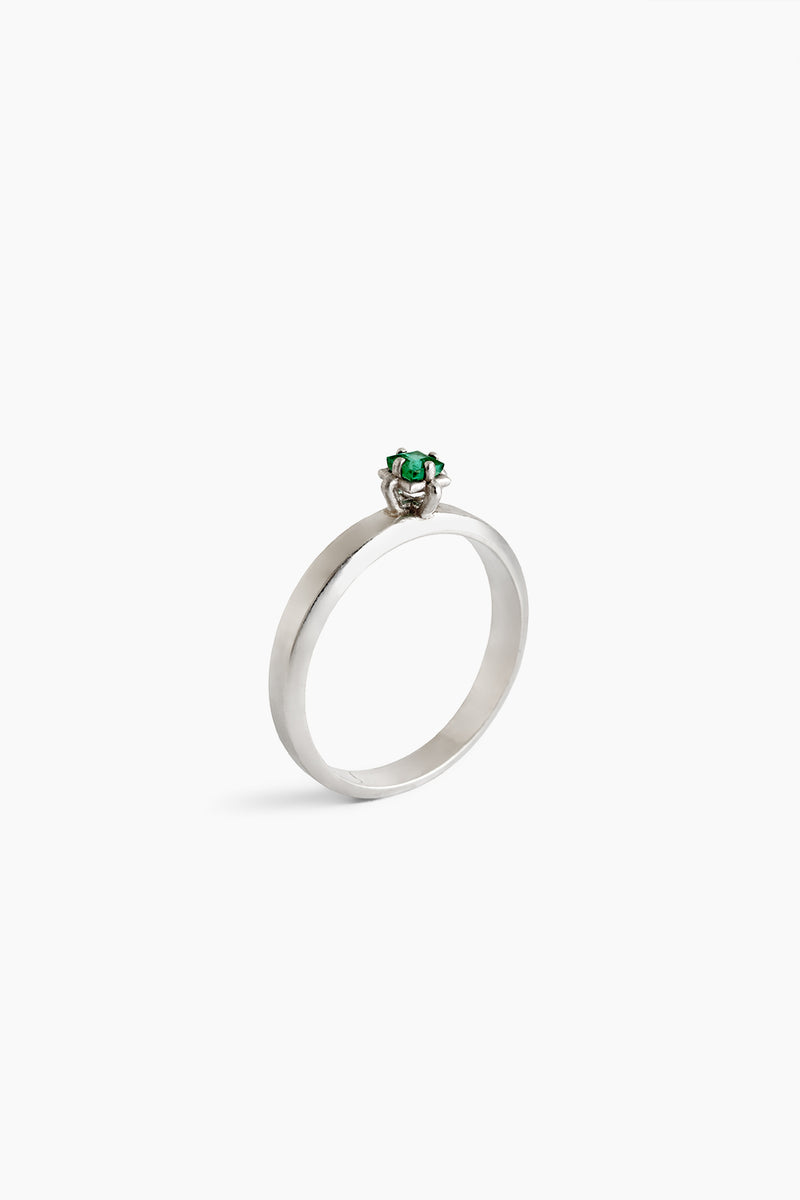
Medium bands (3-5mm) are probably the most versatile. They have enough presence to stand on their own while staying comfortable for stacking. Lots of engagement and wedding rings fall here, making medium widths essential if you're building stacks around existing meaningful pieces.
Wide bands (6mm and up) make statements. These rings demand attention and work best used sparingly in a stack. One wide band can anchor everything else, with thinner rings building up from that foundation.
The Anchor Idea
When mixing rings of different widths, put your thickest ring at the base of your finger and add thinner ones above. This creates visual stability so your stack looks grounded instead of top-heavy. The anchor doesn't need to be your fanciest piece. Sometimes a simple wide band provides the perfect foundation for more decorative rings stacked above it.
For stacking rings gold or any precious metal, this principle helps with durability too. Thicker rings at the base give structural stability to the whole stack and protect more delicate pieces up higher.
Creating Visual Interest Through Contrast
The most interesting stacks usually feature intentional contrast in thickness. Put chunky rings next to thin bands to create a visual conversation. A sculptural statement ring flanked by delicate bands draws the eye to the statement piece while the thin bands provide framing.
Try to avoid stacking multiple rings of identical width unless you're specifically going for a uniform, graphic look. Varying widths adds dimension and keeps your stack from looking flat. Think of it like creating rhythm, with different proportions playing off each other.
Mixing Metals: The 2025 Way
If there's one thing that's changed ring stacking recently, it's embracing mixing ring metals. What used to be considered a mistake is now one of the most celebrated ways to style jewelry, opening up all kinds of creative possibilities.
Why Mixed Metals Work
Mixed metals create depth and interest that single-metal stacks just can't. When you combine gold and silver, or add rose gold to a yellow gold stack, you get contrast that catches the eye and adds sophistication. Mixed metals also solve a practical issue: they let you wear cherished pieces in different metals without stressing about perfect matching. If you're unsure which metal flatters you most, our guide on gold vs silver jewelry for different skin tones can help you decide.
The trick to pulling off metal mixing is being intentional about it. Rather than looking like you couldn't pick a metal, your combinations should seem thought through. That means having some principles while still leaving room for creativity.
The Rule of Two or Three
While nothing's absolute here, most successful mixed metal stacks stick to two or three metal tones. More than that tends to create chaos instead of curated contrast. Pick a primary metal as your dominant tone, then add one or two secondary metals as accents.
For example, if you mostly wear yellow gold, bringing in one or two sterling silver rings creates nice contrast without overwhelming things. The silver becomes an accent that highlights the gold rather than fighting with it.
Balance Across Both Hands
When mixing metals, think about balance across both hands, not just within individual fingers. If you're wearing a chunky silver ring on one hand, balance it with something smaller in gold on the other. Your hands should feel curated together, even if each one features different metal combinations.
Repeat each metal tone at least once for visual cohesion. A single gold ring in an otherwise all-silver stack can look accidental, but adding a second gold element somewhere ties everything together and makes the mix look intentional.
Two-Tone Pieces as Bridges
Rings that have multiple metals built into them make perfect bridges in mixed metal stacks. A ring combining rose gold and white gold, for instance, can link other pieces in those metals and create smooth transitions in your arrangement. The Bridge ring, which combines 14K gold with sterling silver, exemplifies this approach perfectly.
These transition pieces are especially helpful when you're working with family heirlooms or meaningful jewelry in different metals. A two-tone ring can bring together elements that might otherwise feel disconnected.
Stacking Rings Gold with Silver
For those specifically interested in combining stacking rings gold with silver pieces, think about the visual temperature of your arrangement. Gold carries warmth while silver reads cool. Alternating between warm and cool creates dynamic contrast, but you can also group similar tones within a stack and let the contrast happen across fingers or hands.
Yellow gold and sterling silver create the most dramatic contrast. Rose gold offers a softer transition that blends nicely with both warm and cool tones. White gold or platinum paired with yellow gold gives you subtle contrast that feels refined rather than bold.
Working with Sculptural and Geometric Pieces
Contemporary jewelry design has really embraced sculptural and geometric forms, and these pieces present unique opportunities and challenges for stacking.
Statement Sculptural Rings
Sculptural rings with their bold shapes and artistic presence often work best as focal points rather than layered pieces. Their dimensional designs can make stacking physically tricky and might hide the very things that make them special.
When building a stack around a sculptural piece, try asymmetry. Instead of surrounding your statement ring with identical bands on both sides, stack only below or only above the sculptural element. This gives the statement piece breathing room while still creating a multi-ring look.
Geometric Rings in Stacks
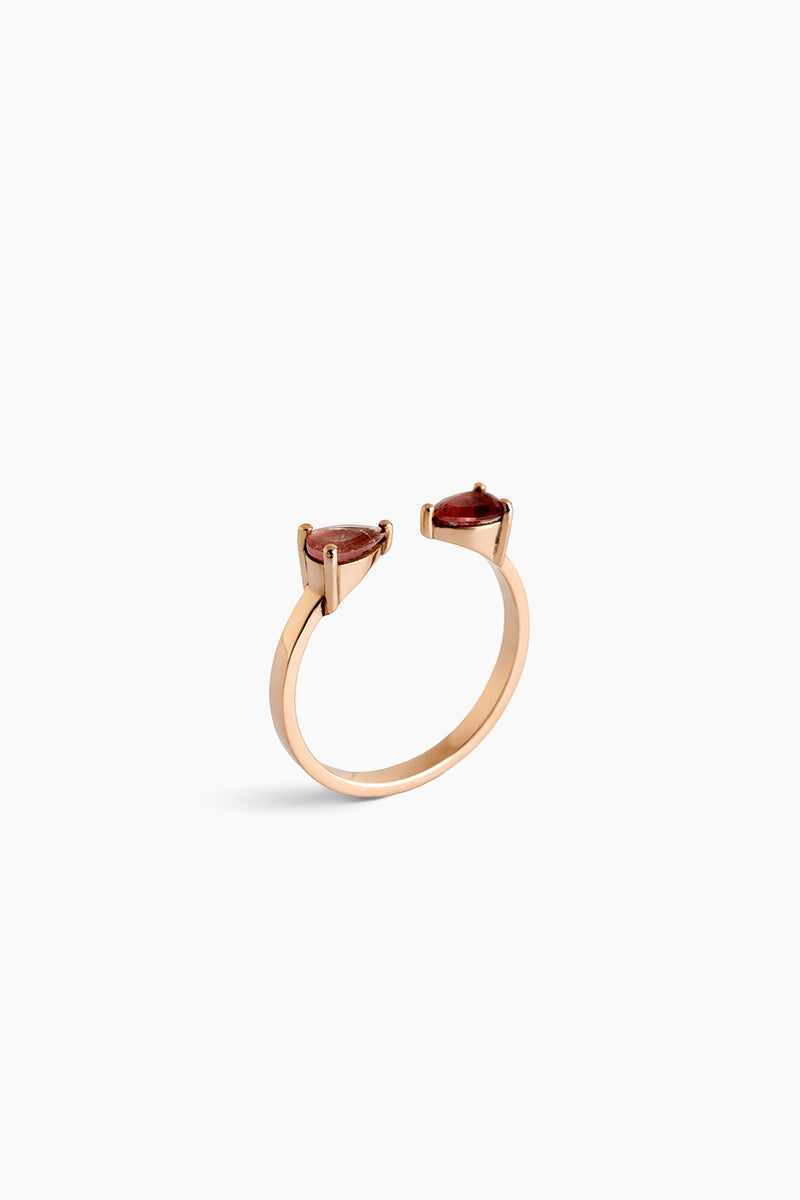
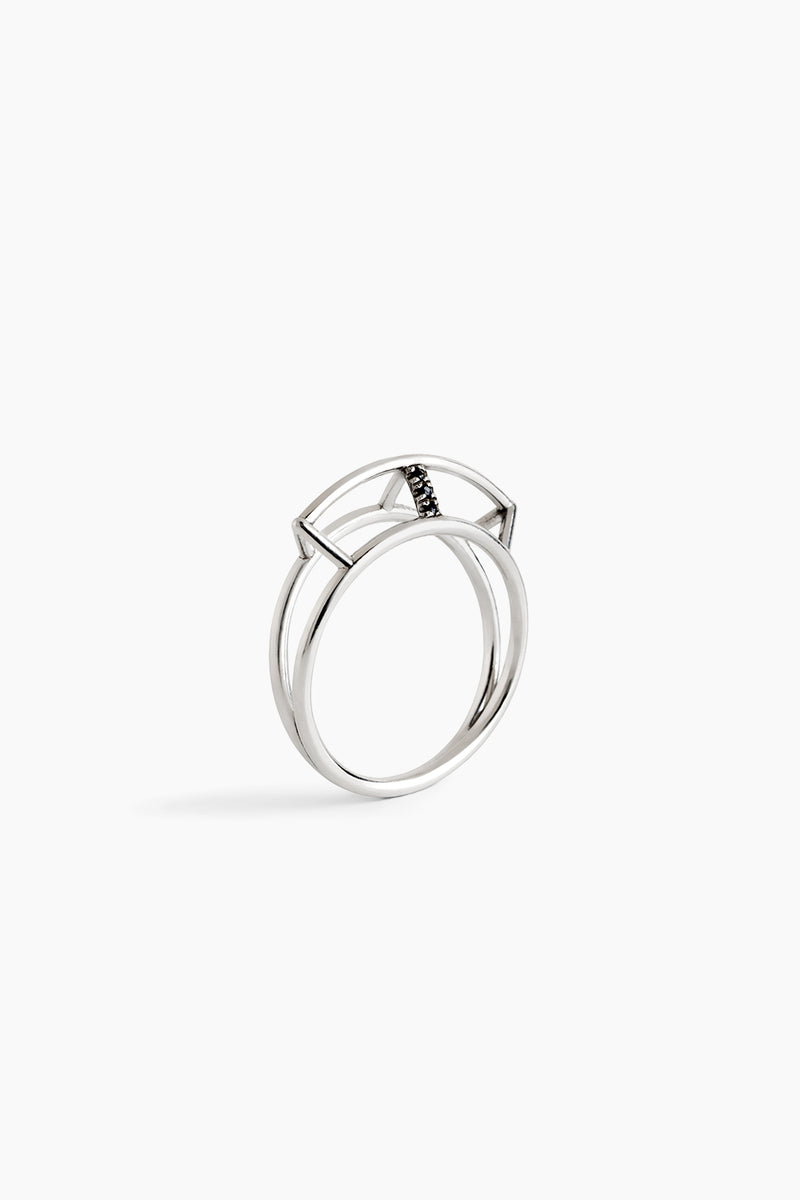
Geometric designs, from angular chevrons to architectural bands, offer exciting stacking possibilities. Their defined lines can create interesting interactions when multiple geometric pieces sit together. Chevron or wishbone rings in particular nest beautifully against other rings, filling space efficiently and creating unified compositions. The Glimpse ring, with its minimalist triangle openwork design, works beautifully as a geometric stacking element.
Think about how geometric shapes play off each other. Two chevron rings pointing the same direction create a unified arrow effect. Point them toward each other and you get a diamond or star pattern. These deliberate arrangements turn individual rings into collaborative pieces.
Curved Rings for Dimension
Curved and sculptural bands have become sought-after stacking elements because they break up arrangements of straight bands. Their fluid shapes add unexpected dimension and visual interest that purely linear stacks can't achieve. One curved ring among otherwise traditional bands can lift an entire stack, adding artistry and a modern feel.
Balancing Bold with Delicate
The most successful stacks with sculptural or geometric pieces typically balance bold with delicate. A chunky geometric ring gains elegance paired with thin, simple bands. An arrangement of only delicate pieces might benefit from one sculptural element that anchors things and provides visual weight. Pieces like the Kite ring in 14K gold or the sculptural Adrienne ring in sterling silver make excellent statement anchors.
Think of sculptural pieces as punctuation in your stack. They give emphasis and structure, but too many exclamation points creates chaos. Pick one or two sculptural elements per hand and let simpler pieces provide supporting texture.
Building Your Stack: A Step-by-Step Approach
Once you understand how to stack rings conceptually, creating a cohesive ring stack gets much easier with a systematic method. Here's something that works whether you're just starting out or looking to refine your technique.
Step 1: Find Your Anchor
Every good stack starts with an anchor, a piece that sets the foundation and tone. This could be your engagement ring, a family piece, or just a ring you wear every day. Your anchor doesn't have to be your most expensive or ornate ring. It just needs to be something you're committed to building around.
If you don't have an obvious anchor, start with either your boldest statement piece or your most versatile everyday ring. The anchor determines whether you're building around a focal point or creating a more egalitarian setup where multiple rings share attention.
Step 2: Pick Your Metal Direction
Decide if you want single metal or mixed metals. If mixing, identify your primary metal (the dominant tone) and your secondary accents. This guides which pieces work together and helps you shop intentionally for additions.
Step 3: Add Supporting Pieces
With your anchor and metal direction set, start adding pieces that complement your foundation. Think about contrast in width, texture, and style. If your anchor is smooth and polished, textured bands can add interest. If it has geometric angles, curved or organic forms provide nice contrast.
Build gradually. Add one ring at a time and check the result before adding more. Creating balance incrementally is easier than troubleshooting a crowded stack.
Step 4: Think About Negative Space
As your stack grows, pay attention to what you're leaving out. The spaces between rings matter as much as the rings themselves. Gaps between stacks on different fingers create visual rhythm. Keeping one hand more minimal prevents overwhelm.
If your stack starts feeling busy, take something away rather than adding more. Often the piece making things feel crowded needs to go, even if you love it on its own. Great stacking sometimes means saving a ring for another day rather than forcing it somewhere it doesn't work.
Step 5: Test It in Real Life
A stack that looks perfect in your jewelry box might feel different when you're dressed and going about your day. Try your arrangements with different outfits and in different lighting. Notice how your stack looks during everyday activities, while talking, typing, holding a glass. The best stacks look good in motion and enhance your overall look rather than distracting from it.
Sizing for Stackable Rings
Getting sizing right ensures comfort and prevents frustration. When stacking multiple rings, sizing gets more complicated than with a single ring.
The Stacking Adjustment
As a general rule, consider going up about a quarter size for every three to four stacked rings on one finger. Multiple rings take up space and reduce room beneath them, and fingers naturally swell during the day. Small sizing adjustments account for this and keep circulation comfortable.
Width Affects Fit
Wide bands (2mm and up) tend to feel tighter than thin bands of the same size. When buying stackable rings in different widths, you might want to size up for wider pieces to get equivalent comfort across your collection. A 6mm band sized the same as a 1.5mm band will feel noticeably tighter.
Think About Where Rings Sit
Rings worn near the knuckle should be sized slightly smaller than those at the finger base. The knuckle acts as a natural stop, so a ring that slides on easily might feel loose once past it. A ring meant to sit snugly at the base needs to get over the knuckle comfortably.
When building tall stacks, rings at the top sit closer to the knuckle than those at the bottom. Some people like to size upper rings slightly smaller so they stay put, while others prefer consistent sizing for easier removal and rearranging.
Taking Care of Stacked Rings
Stacking brings unique care needs. Multiple rings worn together see more friction and wear than single rings, making good care important for keeping your pieces in shape.
Day to Day
Take off your stacked rings before activities that could damage them or cause extra wear. That includes hands-on tasks, working out, swimming, and sleeping. While fine jewelry handles daily wear, the friction between stacked rings speeds up natural wear patterns.
When you're not wearing your stacks, store rings individually or with soft material between them. Stacking them in storage causes scratches, especially when mixing different metal hardnesses. Sterling silver, being softer than gold, scratches easily from harder rings sitting against it. For comprehensive care guidance, see our guide on how to prevent sterling silver tarnish.
Cleaning
Clean each ring separately rather than all together. This ensures thorough cleaning of areas normally hidden when stacked and lets you check each piece for wear or damage that might be hidden during normal wear.
Different metals may need different cleaning approaches, so be mindful of each piece's specific needs. What works for gold might not work for silver—our guide on how to clean gold jewelry covers gold-specific techniques.
Stacking for Different Occasions
Part of knowing how to stack rings is understanding that your ring stack doesn't have to stay the same forever. Switching things up for different occasions and seasons keeps your style fresh and appropriate.
Everyday Stacks
For daily wear, prioritize comfort and practicality. Moderate stacks that won't catch on clothes or get in the way work best for most people's routines. Save more elaborate arrangements for occasions when you can really enjoy them.
Evening and Special Events
Special occasions invite bolder stacking. Think about adding statement pieces, trying more dramatic metal combinations, or building taller stacks than you'd wear day to day. Events with photo opportunities are particularly good moments for eye-catching arrangements.
Seasons
Some people naturally gravitate toward warmer metals in fall and winter, cooler silvers in spring and summer. Others stick with the same metals year-round. There aren't rules here, just personal preference and the chance to let your stacks evolve with the seasons.
Common Mistakes and How to Avoid Them
Even people who know how to stack rings and have been doing this for years occasionally create stacks that don't quite work. Knowing common pitfalls helps you troubleshoot and improve.
Same Heights Across Fingers
Stacking to the same height on neighboring fingers often looks unintentional rather than stylish. Varying heights creates visual interest and suggests thoughtful curation.
Too Many Focal Points
A stack with several statement rings competing for attention can look chaotic. Choose one or two focal points and let other pieces play supporting roles. Not everything needs to be a star.
Ignoring Comfort
A stack that looks great but feels uncomfortable won't get worn. If you find yourself taking rings off during the day, reconsider your sizing and stack composition. The best stack is one you can wear comfortably for hours.
Over-Matching
While cohesion matters, over-matching can make your stack feel like a costume or a pre-packaged set. Some variation in style, even within a unified metal palette, creates more interesting and personal arrangements.
Building Your Collection
Thoughtful collection-building ensures you have versatile pieces that work together in multiple ways.
Essential Foundation Pieces
Every stacking collection benefits from a few core elements: simple thin bands in your preferred metal for layering, one or two medium-width rings with subtle texture or detail, and at least one statement piece to anchor a stack. These foundations give you flexibility for creating different looks from a modest collection.
Adding Variety Over Time
As you expand, look for pieces that offer something different from what you already have. If you own mostly smooth bands, add something textured. If everything is gold, a silver piece could create nice contrast. Building intentional variety expands your options without needing a huge collection.
Quality Over Quantity
A smaller collection of well-made pieces serves you better than lots of poor-quality rings. Quality rings stay beautiful over time and stack more comfortably without the irregular gaps and pressure points that come with inconsistent craftsmanship. Invest in pieces you genuinely love and will want to wear for years rather than accumulating quantity.
Finding Your Personal Style
Ultimately, the most important part of learning how to stack rings is discovering what feels authentically like you. Guidelines and trends give useful starting points, but your personal style should guide final decisions.
Minimalist Approaches
If understated elegance appeals to you, beautiful stacks can be just two or three delicate rings on a single finger. A subtle stack feels extremely elegant and can have just as much impact as more elaborate arrangements. Sometimes restraint is the most sophisticated choice.
Maximalist Expression
For those who embrace bold jewelry, more extensive stacking across multiple fingers allows for creative expression and the joy of combining textures, colors, and styles. Maximalism in ring stacking means putting elements together with intentional abandon, creating looks that are loud, proud, and uniquely yours.
Finding Your Balance Point
Most people find their comfort zone somewhere between minimal and maximal extremes. Notice which stacks make you feel most confident and comfortable. Pay attention to when you get compliments versus when your jewelry makes you self-conscious. These observations guide you toward your ideal stacking style.
Ring stacking is really a form of self-expression. The combinations you create say something about your aesthetic sensibilities, your cherished pieces, and your relationship with adornment. Whether you prefer sculptural statement rings or delicate bands, yellow gold warmth or silver coolness, bold metal mixing or tonal consistency, your stacks should reflect who you are and how you want to show up in the world.
The art of stacking rings keeps evolving, with trends like metal mixing and sculptural designs opening new creative territory. But beyond any trend, one thing stays timeless: the best ring stack is the one that makes you feel like the most elegant, expressive version of yourself. Trust your instincts, experiment freely, and build arrangements that bring you joy every time you look at your hands.